Status lives outside the system.
Participants check progress through email, messaging apps, calls and private messages.
We eliminate data transfers outside the system, redundant approvals and loss of status traceability. We embed workflows, data, deadlines and exception handling in the working system.
Discuss your needs →Participants check progress through email, messaging apps, calls and private messages.
Most of the cycle is spent waiting, returning items and seeking clarification.
The completeness of the application, document or request is checked late when the process is already running.
Exceptions follow informal routes, and deadlines and ownership are lost.
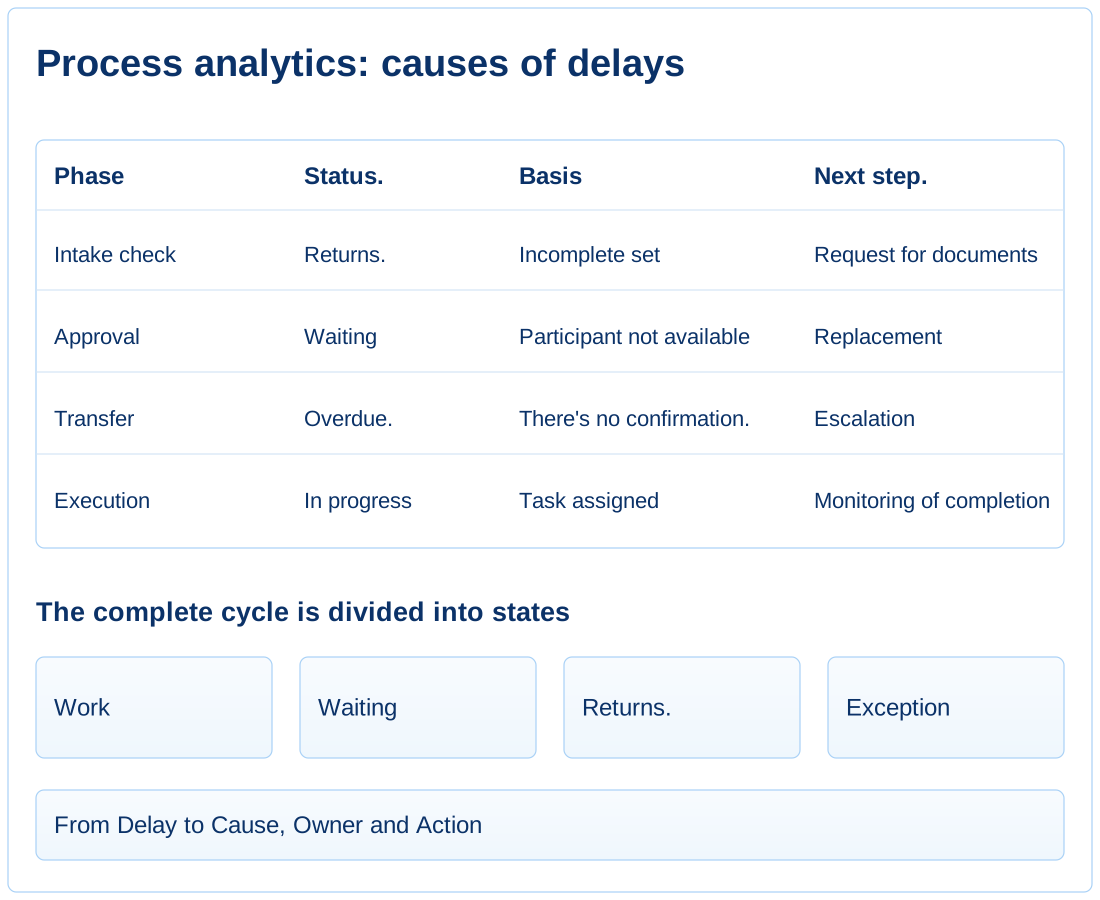
The time taken to approve a contract can far exceed the time participants spend working on it. Most of the cycle consists of waiting, rework caused by incomplete data and delays when the responsible employee is unavailable and there is no automatic escalation.
The same issue occurs in procurement, HR requests, service delivery, contractor coordination and customer enquiries. An electronic form alone does not digitalise a process. Without changes to the workflow, the system simply formalises existing delays.
Digitalisation does not begin with a form, but with a managed route from query to result.
Process participants need to see the task, status, deadline, owner, next step and reason for an exception.
The application, document, request, order, claim or internal service must have a clear start, result and completion criterion.
Event, input, result, completion criteria and full cycle owner.
Stages, participants, approvers and assignees depend on request type, risk, amount, completeness and other attributes.
Stages, roles, SLAs, approval rules, returns, exceptions and escalation procedures.
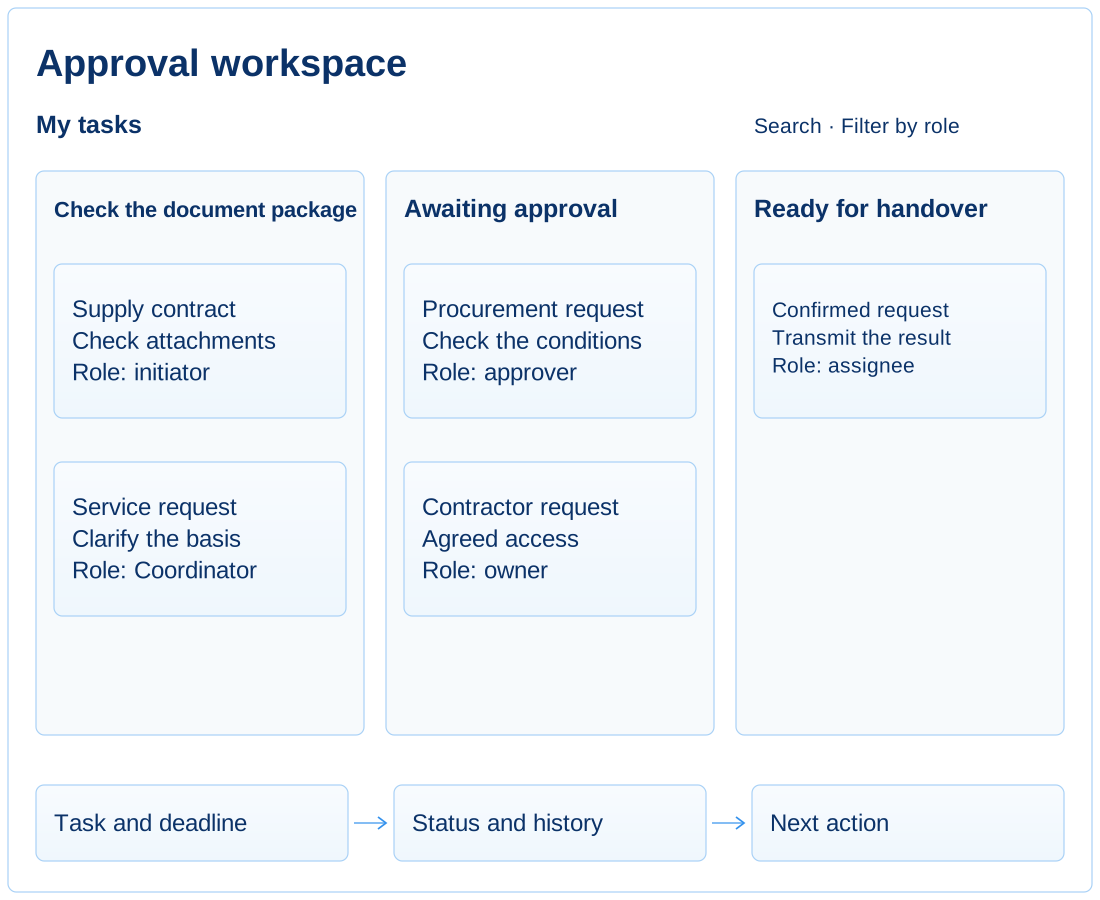
Work needs to take place in a system that shows the current stage, responsible person, deadline, status history and action required from each participant.
Workspace, process record, notifications, history, statuses and delay analytics.
A digital process defines more than a sequence of screens or forms. It records the triggering event, input data, owner of the complete cycle, participants, deadlines, exception rules and expected result.
The initiator needs to understand the input requirements; the person doing the work needs to know the expected result. The manager needs to see where queues form and why, while the customer or counterparty needs to know the request status and next step.
We start with the complete cycle from event to result, distinguish productive work from waiting, and define workflow rules. We then select the system, interfaces and automation.
We document the entire process: operations, waiting, returns, transfers outside the system and points where status is lost.
Each department sees only its part, and the full cycle of a request or document is not measured.
We map the path from the triggering event to the result, distinguish actual work from waiting, and record rework, queues and informal communication channels.
Full cycle time, waiting time, repeated returns and the stages where delays occur are known.
We exclude stages without managerial or control value and set the owner of the full cycle.
Approvals repeat, participants check the same data, and responsibility is split across individual functions.
We define the process owner, participant roles, mandatory stages, approval conditions, handover rules and completion criteria for each step.
Each stage has a clear assignee, approver, deadline and definition of the result.
The process must check the input data in advance and separate the standard cases from the non-standard ones.
A document or request is returned after the workflow starts because data, supporting grounds or attachments are missing.
We define mandatory fields, documents, risk indicators, completeness checks, exception routes and automatic escalation conditions.
Incomplete packages are detected before the main workflow starts; exceptions do not disrupt standard request processing.
BPM, ECM, CRM, portal or service platform are chosen for the target route, not a substitute for its design.
The system is implemented, but participants continue to transmit data through mail, spreadsheets and private messages.
We configure process records, statuses, notifications, permissions, integrations, activity history and cycle, queue, return and deadline analytics.
Participants see status and the next step in the system; managers see where delays occur and why items are returned.
Engagements and deliverables: from process assessment to digital workflows, process platforms, portals, automation and analytics.
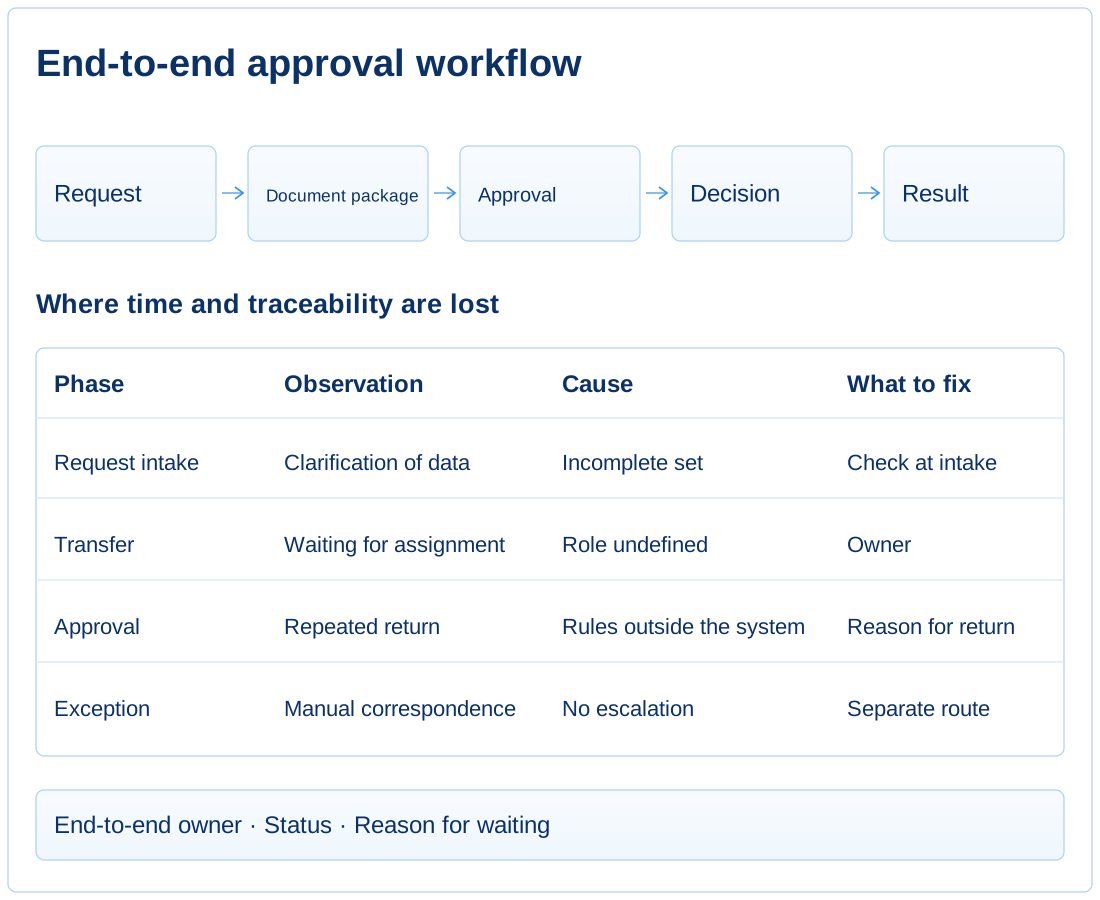
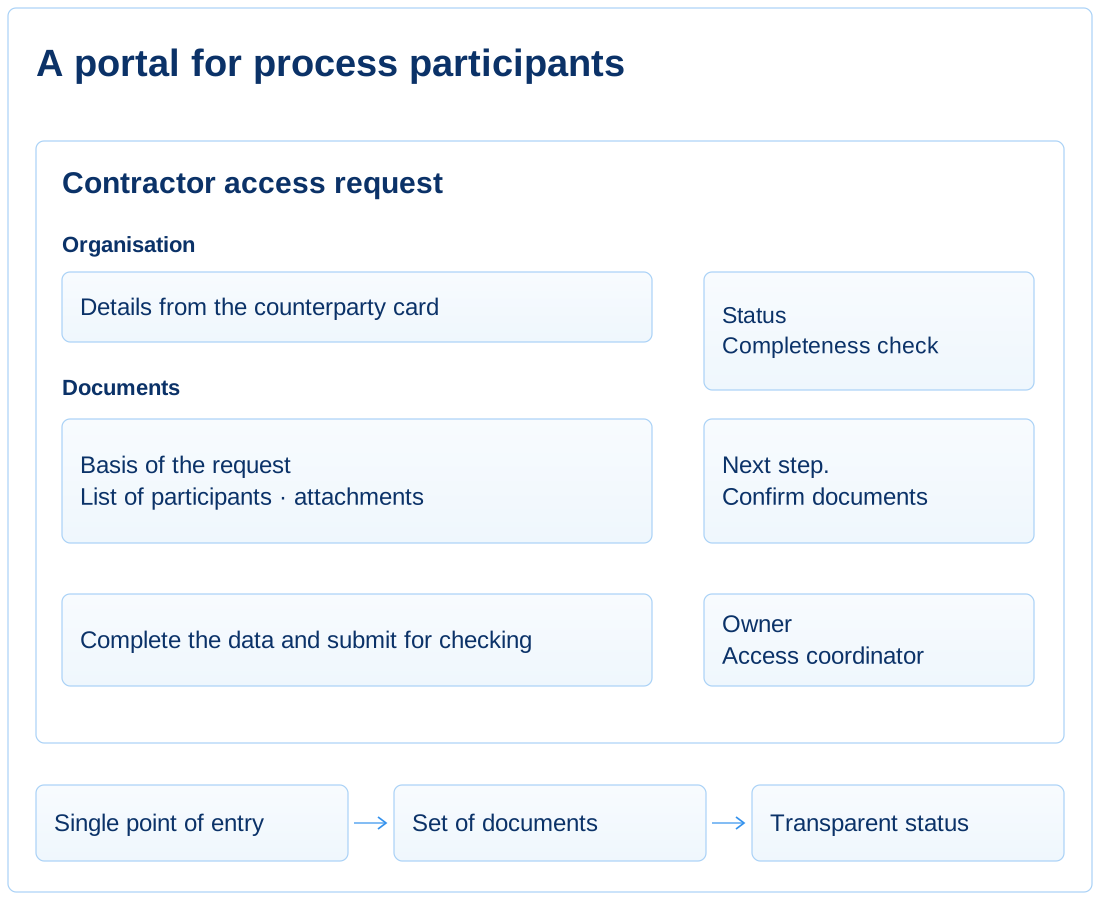
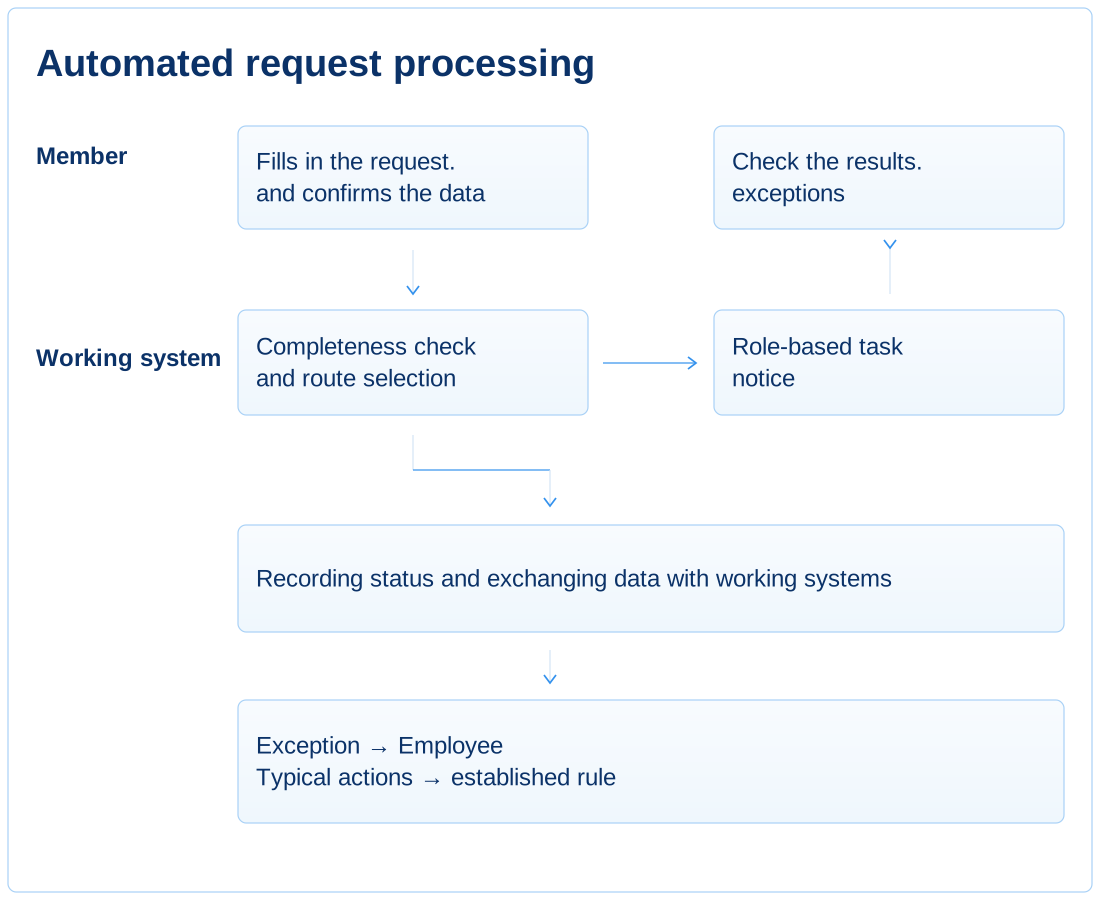
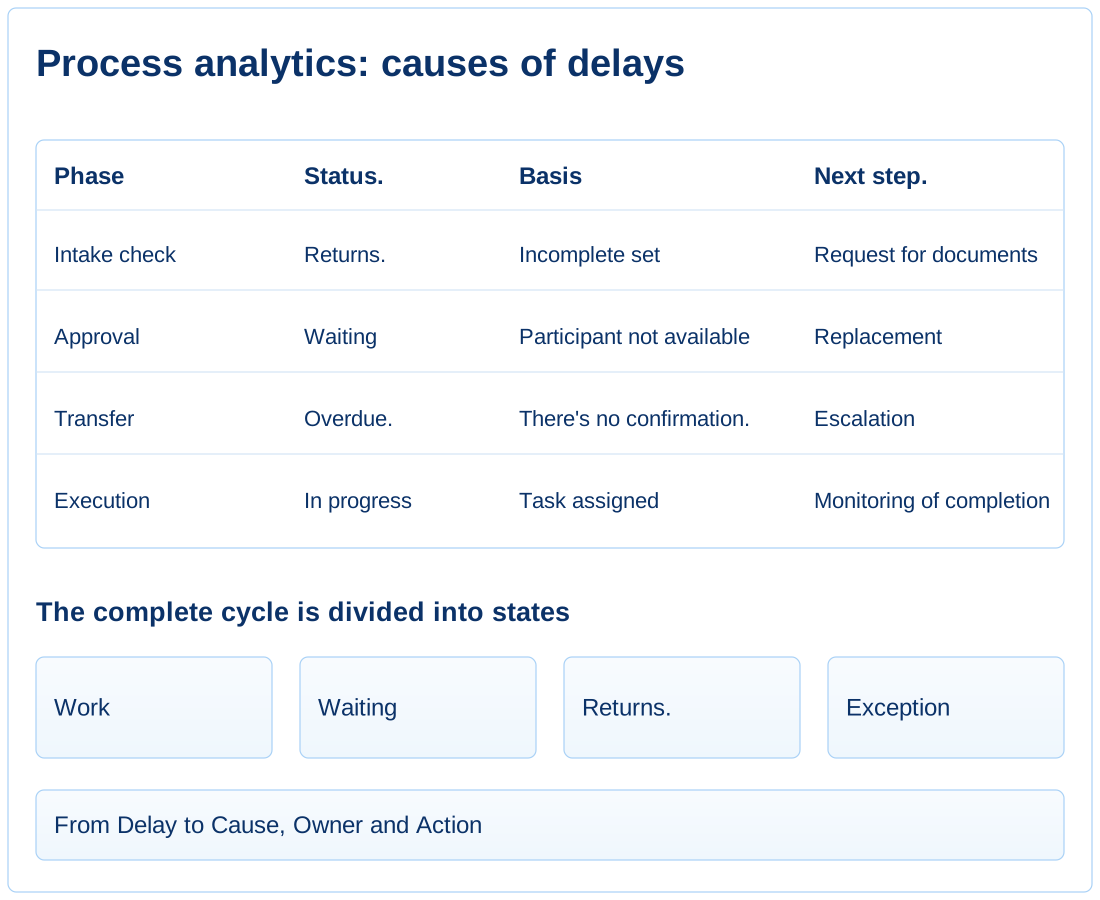
A map of manual operations, gaps, returns, waiting periods, exceptions and informal arrangements in requests, documents, approvals and collaboration across functions.
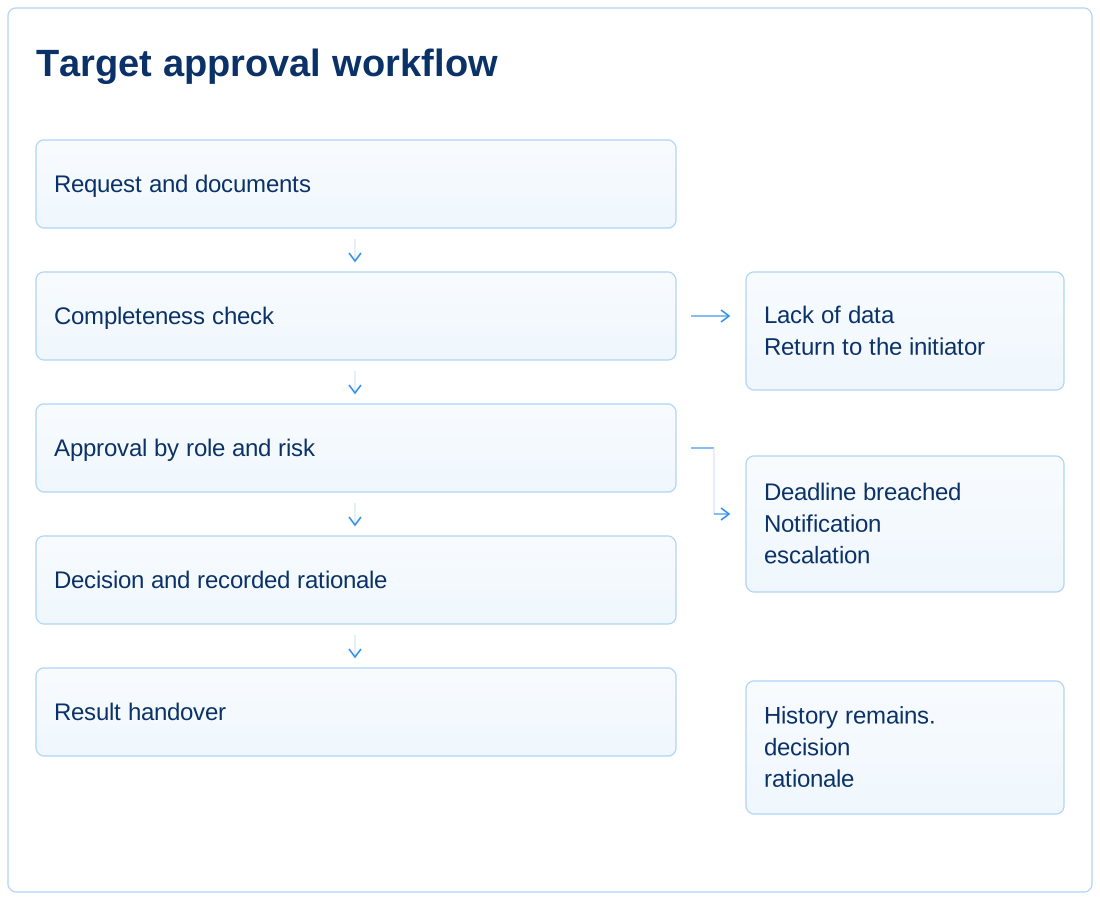
Target process workflows: status, roles, deadlines, transition conditions, checkpoints, exception handling and escalation rules.
Working digital environments for applications, requests, approvals, service workflows, documents, tasks, internal services and interaction with customers or contractors.
Internal and external portals, self-service accounts and workspaces for employees, customers, contractors, partners and management teams.
Automation scenarios for repetitive actions through workflows, integrations, RPA, AI assistants or application services, without unnecessary manual processing.
Metrics for deadlines, status, bottlenecks, variances, staff workload and process quality from the triggering event to the result.
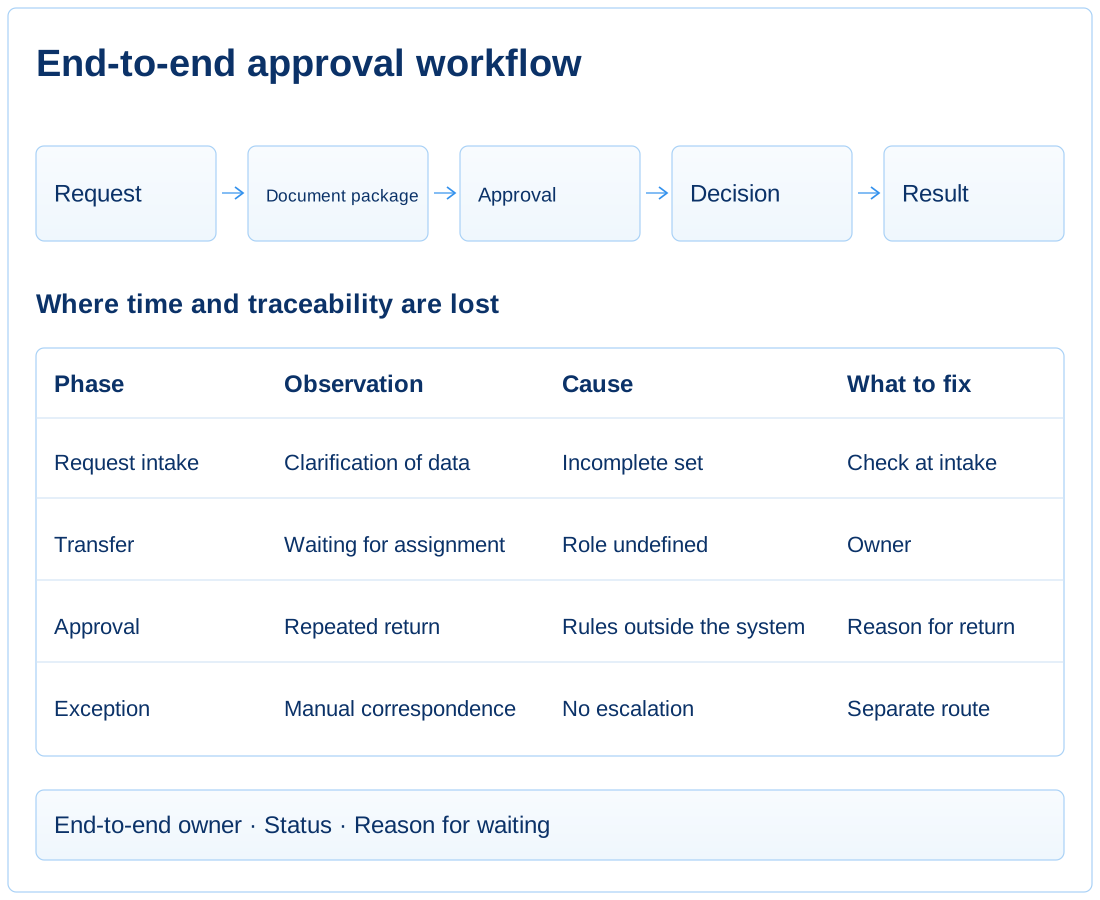
The path from event to outcome: operations, waiting, returns, informal handovers and points where status is lost.
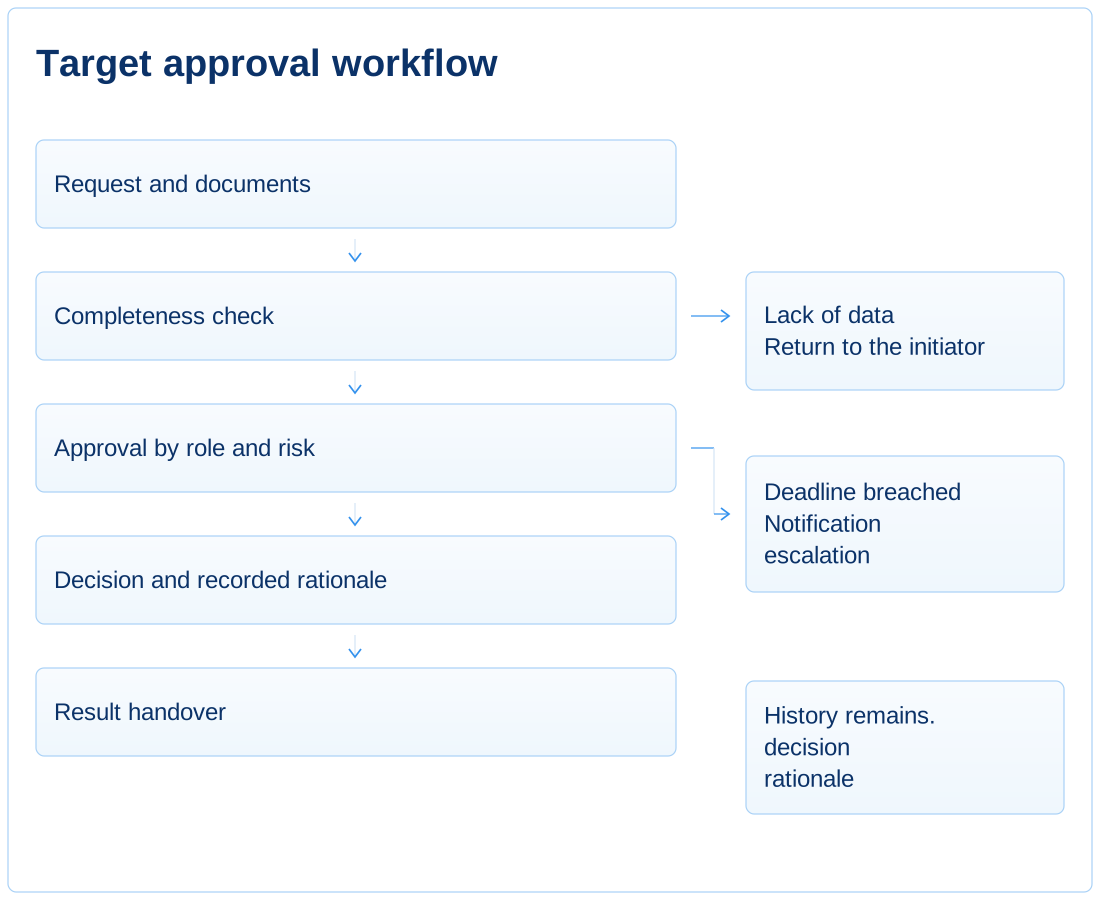
Stages, roles, deadlines, approval conditions, handover rules and completion criteria.
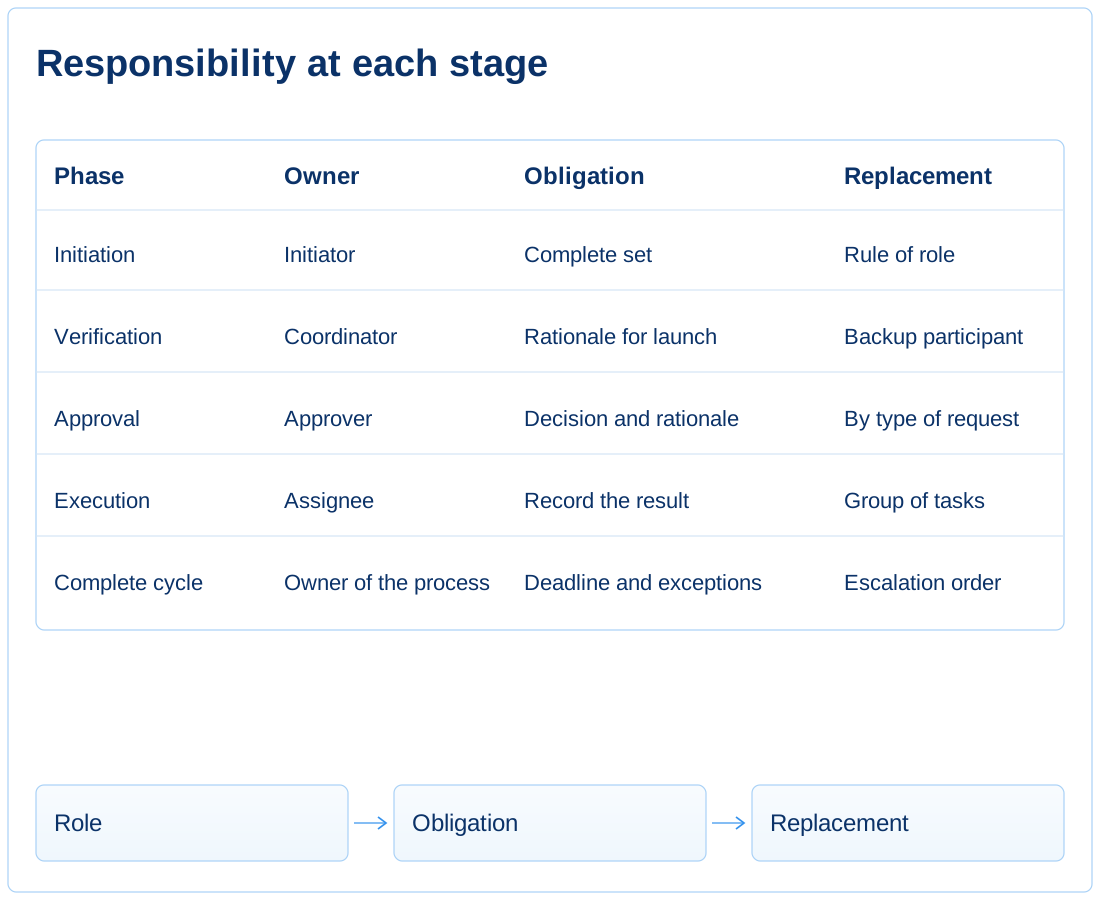
End-to-end process owner, participants, approvers, assignees, escalation and cover arrangements.
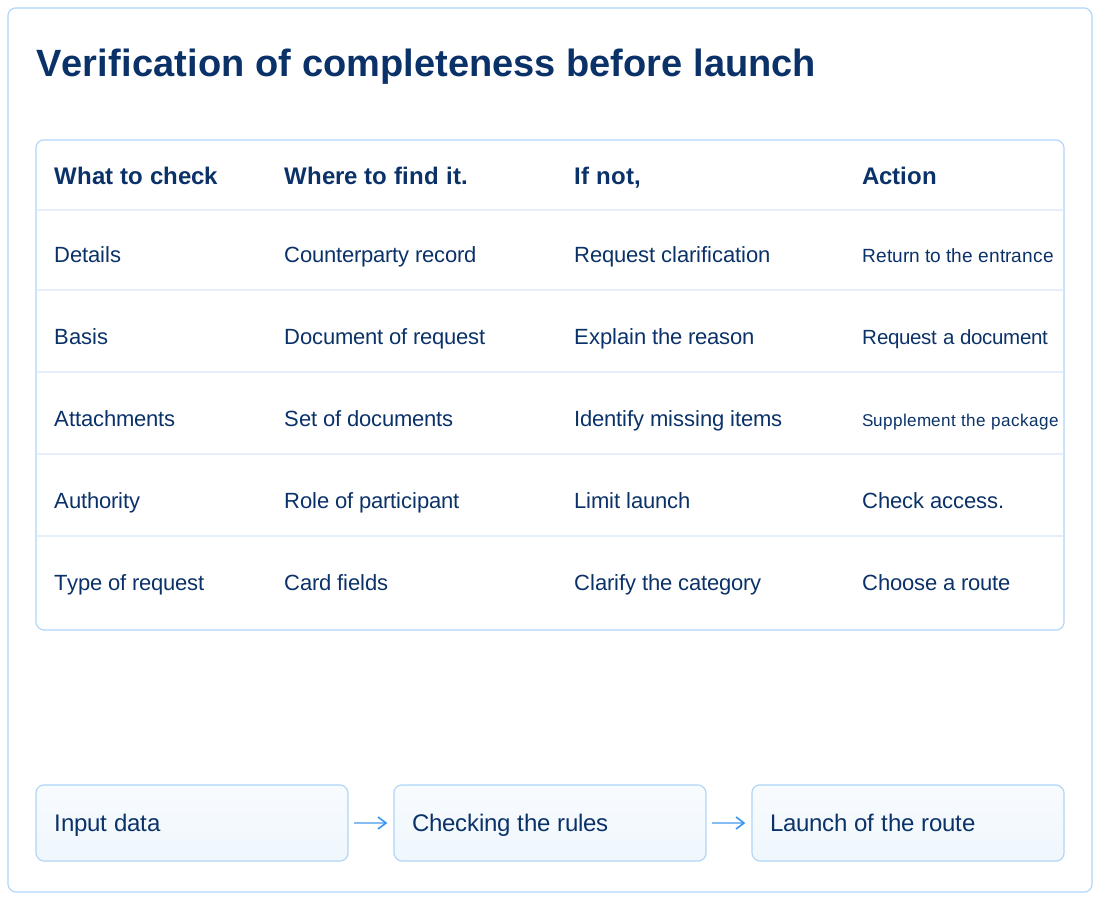
Mandatory fields, documents, grounds, checks and conditions for starting the route.
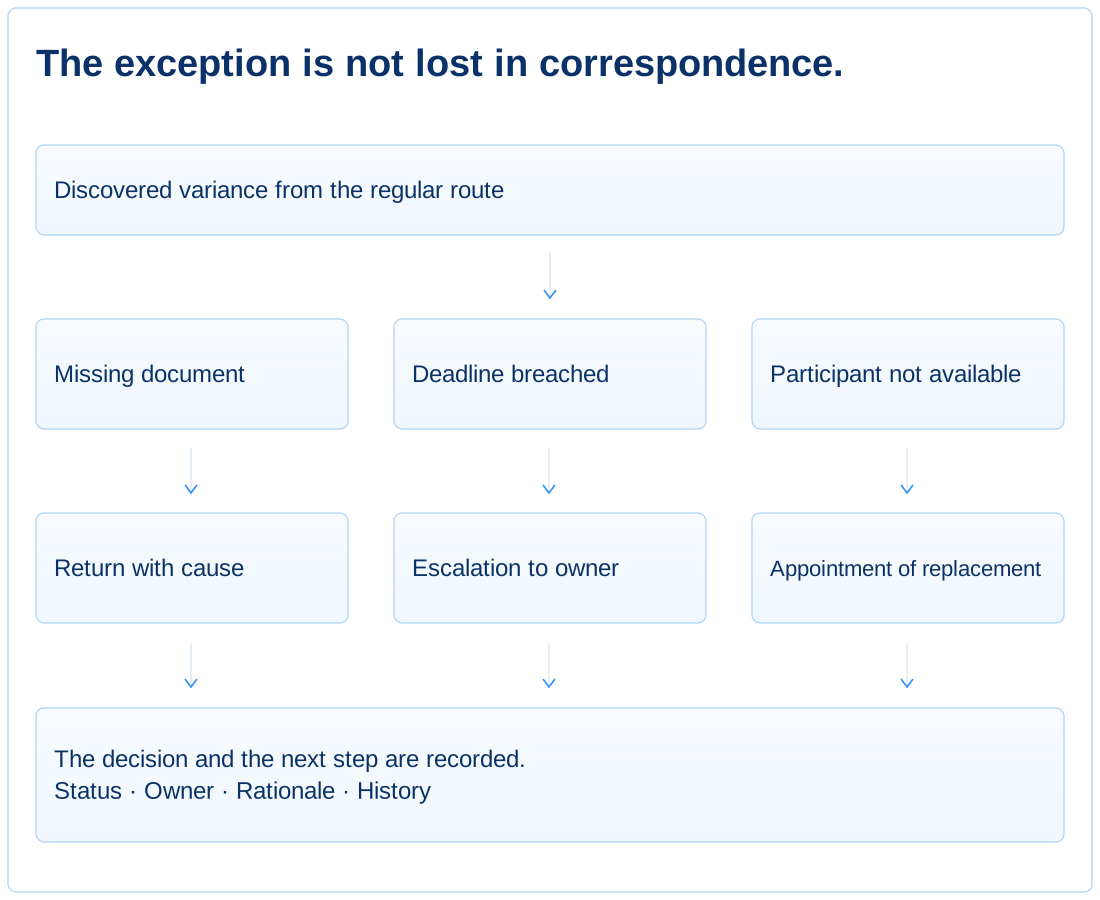
Non-standard cases, individual routes, return conditions, notification and escalation.
Data on cycle times, queues, returns, missed deadlines and participant workload.
Success is visible when the complete cycle becomes measurable, participants can see its status and exceptions follow defined rules. The number of electronic forms is not the measure of success.
Managers see completion or overdue status but cannot identify where delays arise.
The execution time is separated from the wait; queues, returns and stages of loss of status are recorded.
It is possible to show the length of the full cycle, bottlenecks and causes of delays for each type of process.
The current stage, owner and next step have to be established manually.
The process record shows status, deadline, owner, history and the expected action.
The initiator, executor and manager see the same current status without additional requests.
The document or application is returned after several stages of processing due to incomplete data.
Mandatory fields, attachments and route conditions are checked in advance.
Fewer items are returned because of incomplete packages, incorrect supporting grounds or the wrong workflow.
As the number of applications increases, participants begin to coordinate through chats, mail and manual lists.
Typical routes, SLAs, notifications and escalations support volume growth in the system.
The number of operations increases, but does not lead to a proportional increase in manual coordination.
If an employee is unavailable, participants do not understand the status of the task and the basis of previous decisions.
Status history, comments, documents, decisions and the next step are available in the process card.
Replacing an employee does not stop the route and does not require reconstituting the context from the correspondence.
This practice is needed when a process has formally been digitalised, but participants still manage status updates, rework and approvals through messages, spreadsheets and personal coordination.