
Data is duplicated
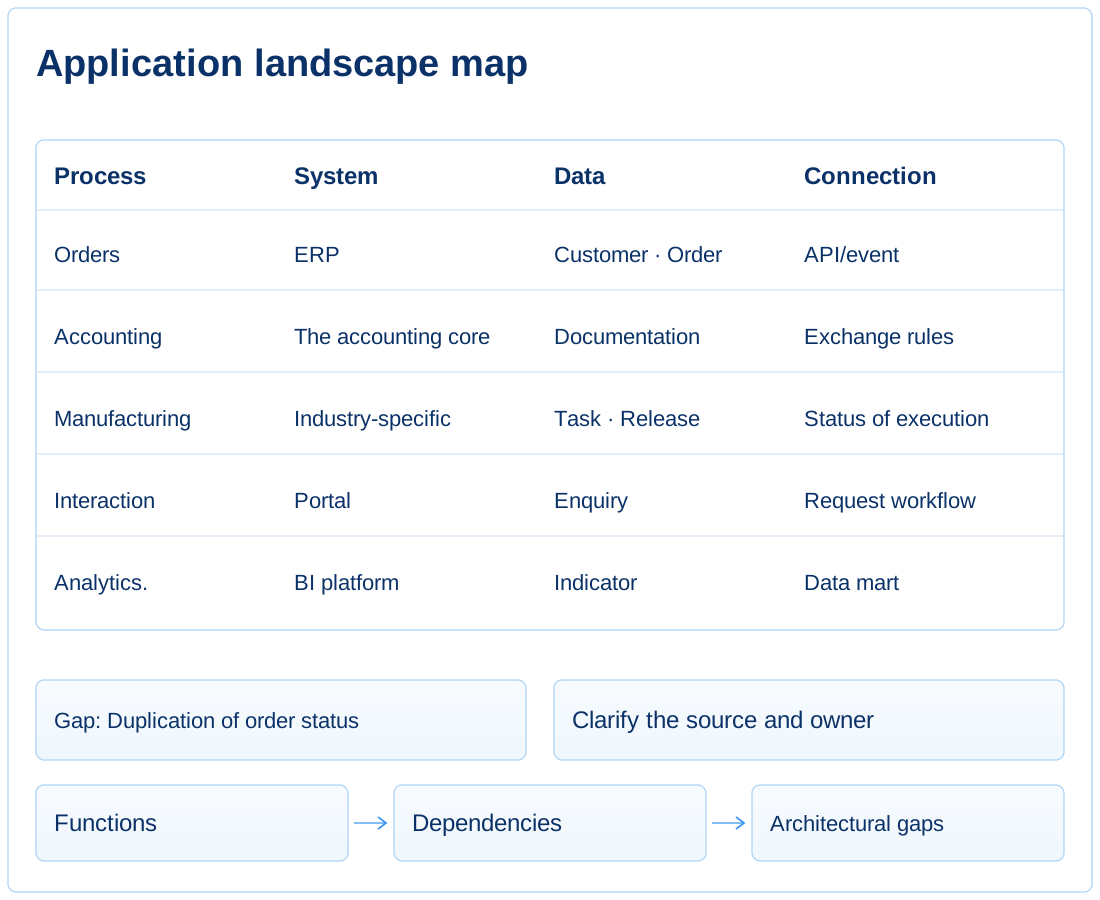
The same counterparty, order, project or material is maintained in several systems with different statuses and update rules.
We define the roles of ERP, accounting, industry-specific and enterprise platforms, and establish rules for data and integrations so that process changes do not trigger multiple unplanned system modifications.
Discuss your needs →The same counterparty, order, project or material is maintained in several systems with different statuses and update rules.
It is not always clear where core process logic resides: ERP, an industry system, a spreadsheet, an integration or a manual procedure.
Updating one system or interface causes errors in undocumented parts of the landscape.
Digital products run in isolation and add new data, statuses, and integrations without a shared architectural role.
A counterparty’s details may be maintained in several systems. Orders may move between platforms through file transfers, while project status is recorded in a separate spreadsheet. Updating an accounting system can disrupt an integration that the project team has overlooked.
These symptoms arise when an application landscape lacks common rules. It is unclear where source data is created, who owns business logic, which functions are duplicated, which modifications a critical process depends on and who is responsible for interfaces between platforms.
Systems work, but their roles, data, and exchanges do not form a manageable architecture.
Each new change can reinforce the landscape – or create a new integration gap.
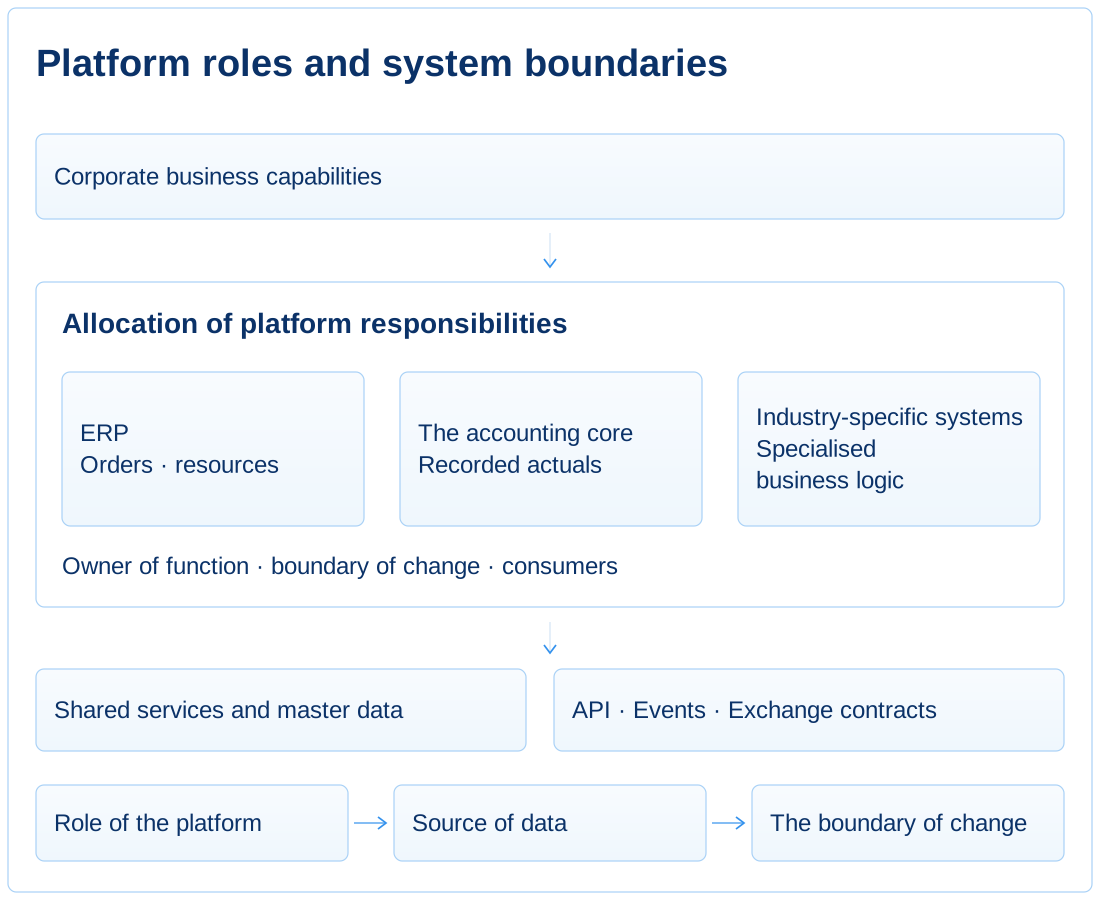
We define which functions are supported by ERP, core accounting, industry systems, portals, analytics and specialist platforms.
System boundaries, function owners, duplication and the target allocation of roles.
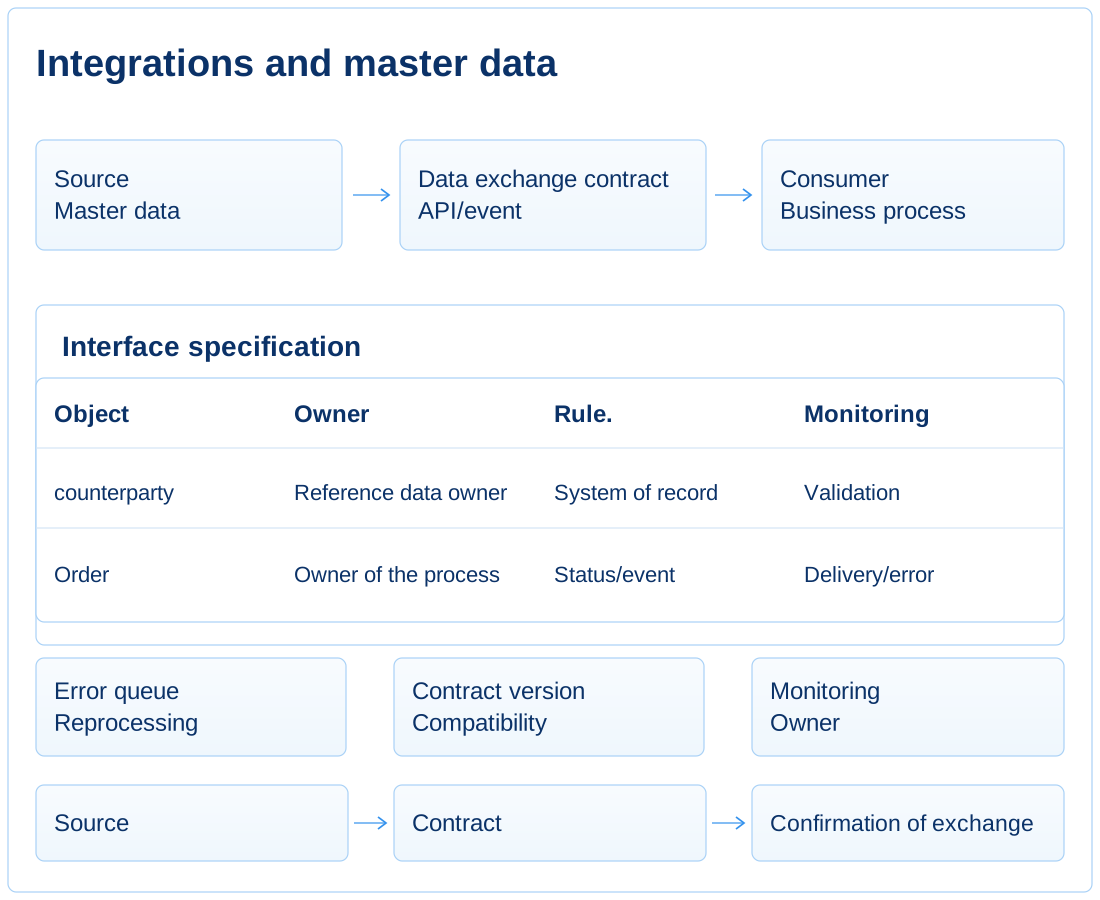
For key data and integrations, owners, consumers, rules of change and responsibility for the quality of the exchange are fixed.
Data sources, owners, consumers, exchange contracts and versioning rules.
New systems, modifications, integrations and retirement of functionality follow a shared architecture governance process.
Change rules, exception criteria, dependencies, monitoring and system retirement procedures.
A managed architecture defines the source of data for customers, contracts, materials and projects; boundaries between enterprise and specialised platforms; shared group services; system retirement procedures; and how interface changes are agreed with consuming systems.
Integrations are managed in their own right. Each interface has an owner, data contract, version, monitoring and error-handling procedures. Without these, an integration bus adds a technology layer but leaves inconsistent connections unresolved.
We first record the actual roles of systems, their data and dependencies, then define the target model for platforms, integrations and the application landscape lifecycle.
We look not only at the list of systems, but at what processes, data, modifications, exchanges and manual bypasses really support the business.
One end-to-end process runs through multiple systems, tables, mail, and manual data transfers.
We record system roles, duplicated functions, data transfers outside established integrations, critical modifications, and data owners and consumers.
The systems supporting each process are clear, along with duplicated functions, manual transfers and the interfaces on which results depend.
Determine which platform is responsible for what and where the business logic should be located.
ERP, accounting core, industry systems, portals and analytics developed locally, and their roles were determined by individual projects.
We define the roles of enterprise and local systems, master data sources and shared services, identifying which functions to retain and which to move out of the core.
For each critical function, the target system, business logic owner and modifications to retain or retire are clear.
Integrations become a manageable entity: with the owner, data contract, version, monitoring, and error handling.
Point-to-point exchanges, file transfers, and unaccounted-for interfaces create dependency on individual employees and contractors.
Set exchange contracts, events, queues, version rules, monitoring, error handling and the procedure for agreeing changes to interfaces.
For each critical interface, the owner, users, data format, version, monitoring, and error response order are defined.
Landscape changes are made by business stages, not just by the technical calendar.
Migrations, system replacements, and new digital products are launched without a common dependency map and lifecycle rules.
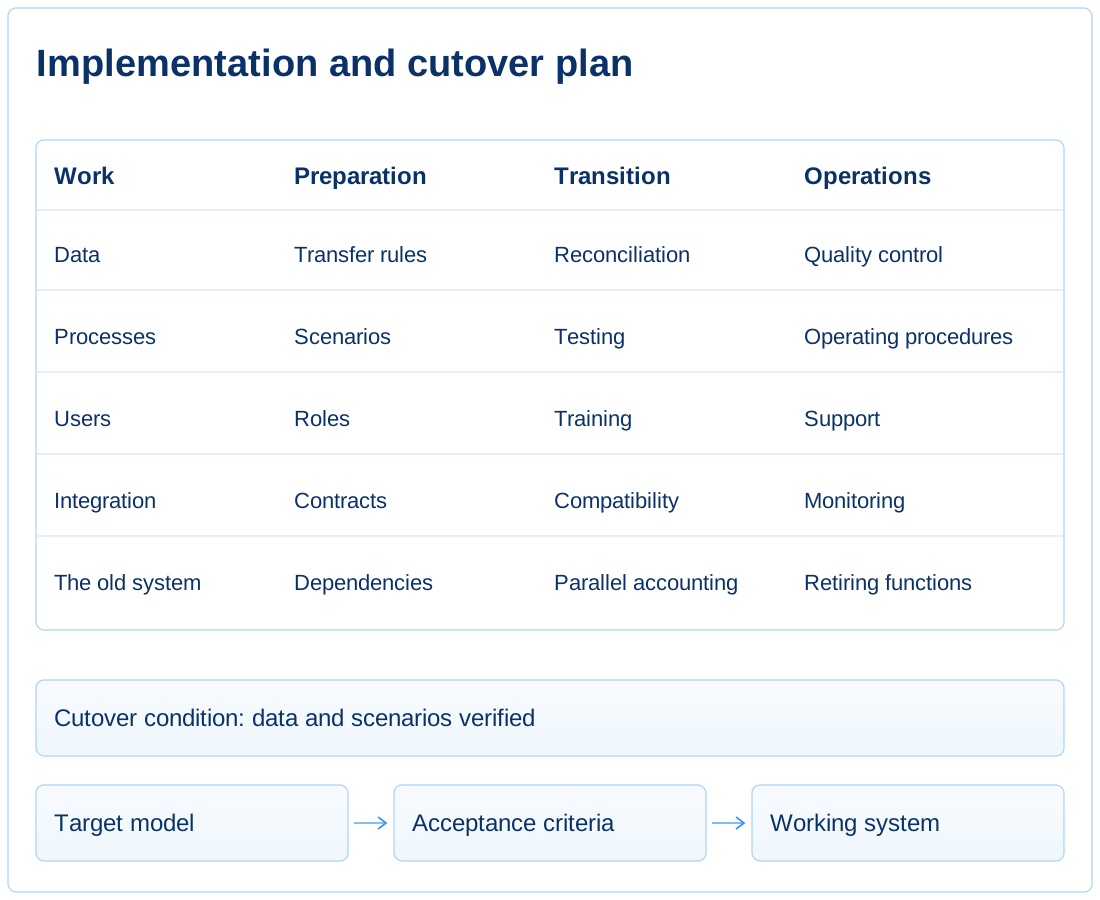
We plan data migration, parallel operation, reconciliation, training, retirement of previous functionality and governance of new initiatives.
Dependencies are identified before work begins, switching risks are known, and new systems are tested for compatibility with the target architecture.
Engagements and deliverables range from IT landscape assessments to platform architecture, integrations, master data, implementation and support for business systems.
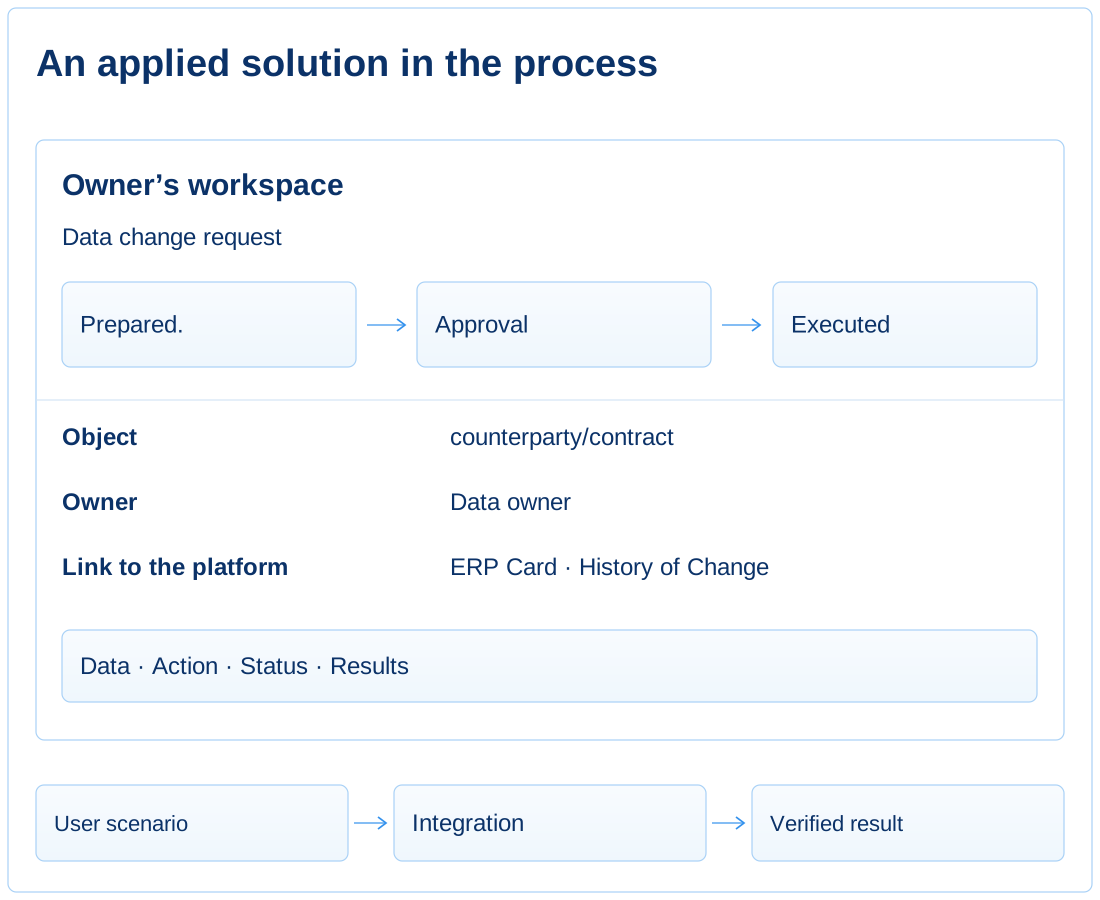
A map of current systems, functions, integrations, data, manual workarounds and duplication, showing where the IT landscape constrains processes, reporting, platform development and control over change.
A target allocation of roles across ERP, accounting, industry-specific, enterprise and specialised platforms: what each system is responsible for and where its functional boundaries lie.
Working enterprise systems with configured processes, roles, reference data, reports, integrations, user workflows and support rules.
A managed framework for data exchange and reference data: sources, consumers, APIs, events, routes, reference lists, data owners, error handling and integration monitoring.
Application services, portals, platform extensions and enterprise system enhancements that close gaps between processes, data and the current IT landscape.
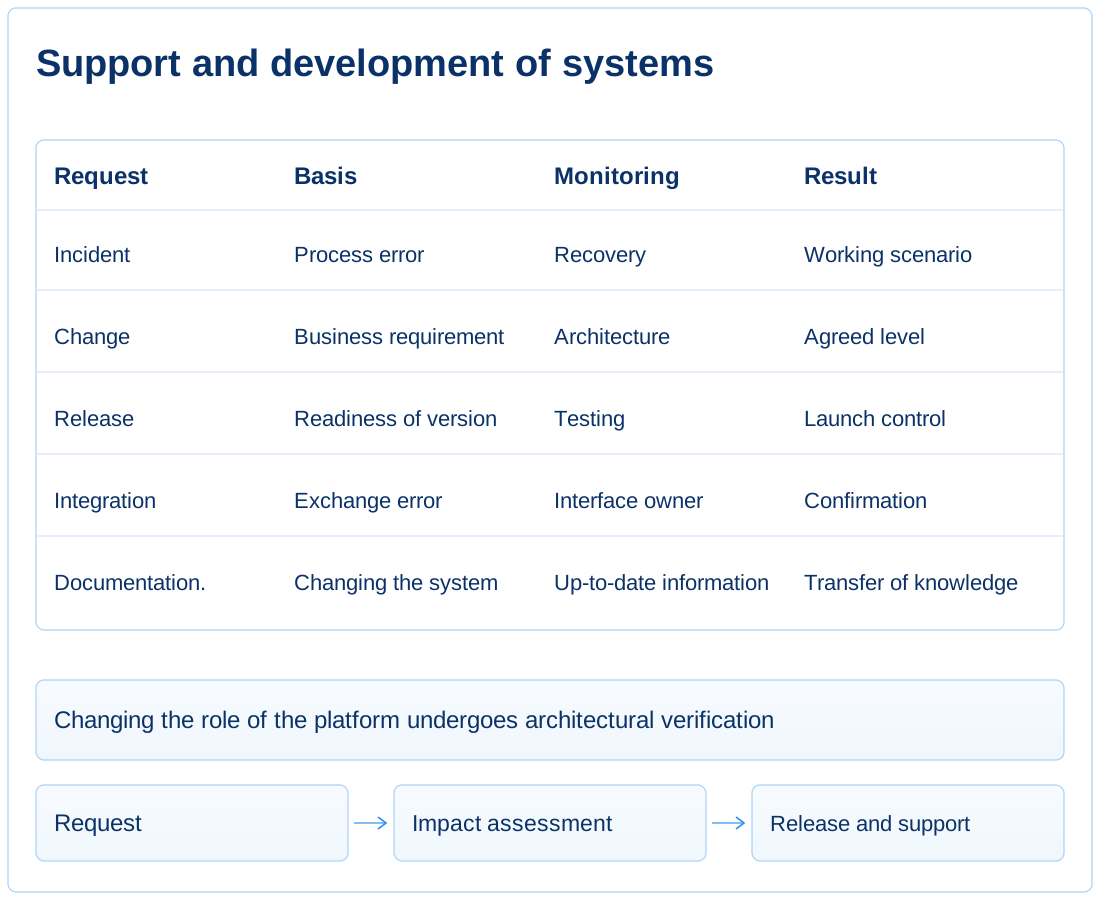
A post-launch support framework: evolving requirements, enhancements, releases, integration monitoring, user support, documentation and architecture governance for changes.
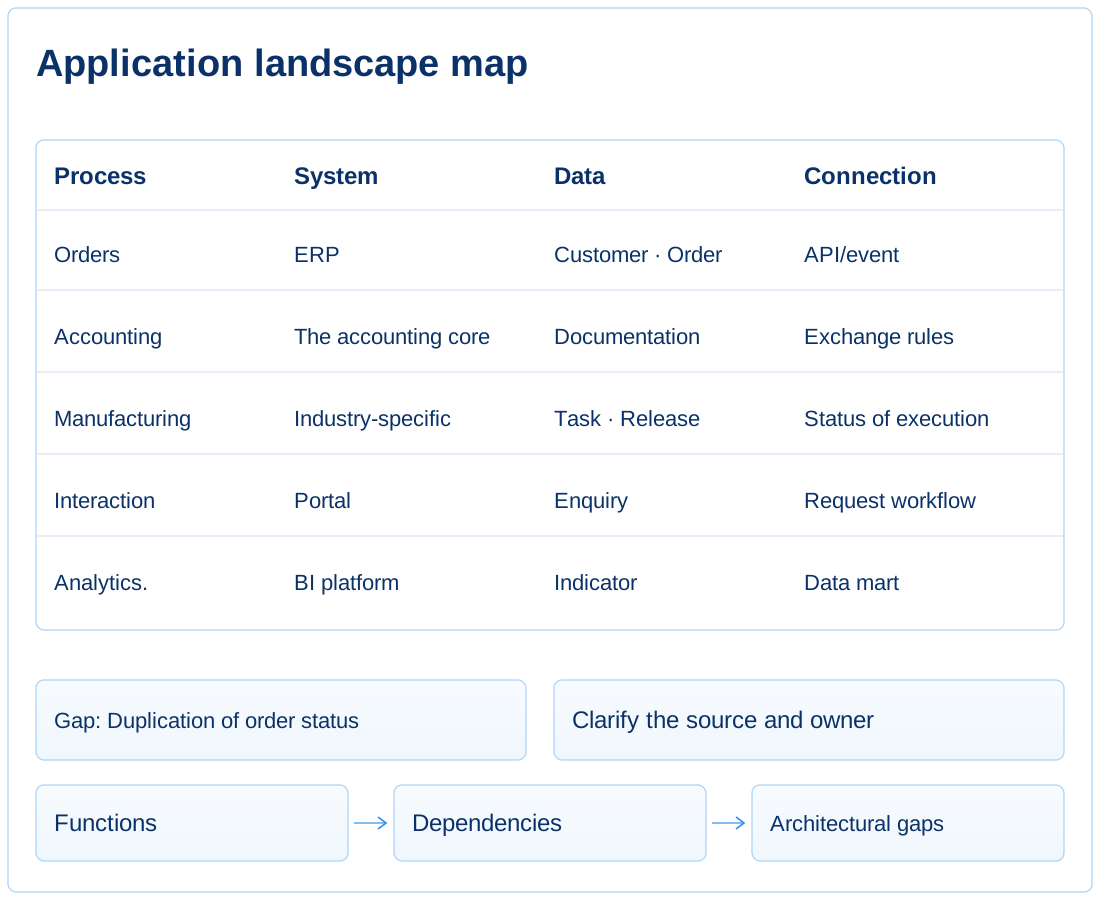
System roles, dependencies, function duplication, critical modifications, data owners and consumers.
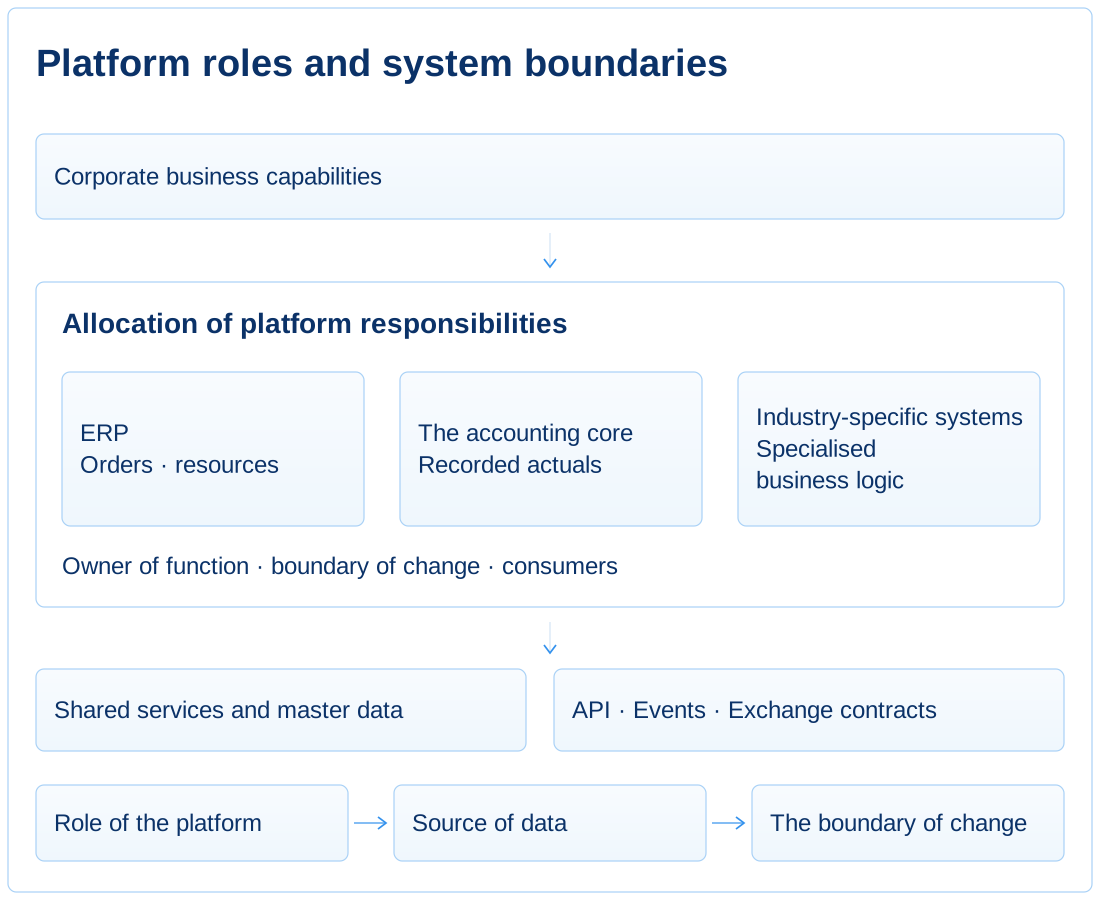
Boundaries of corporate and local systems, master data sources, common services and transition stages.
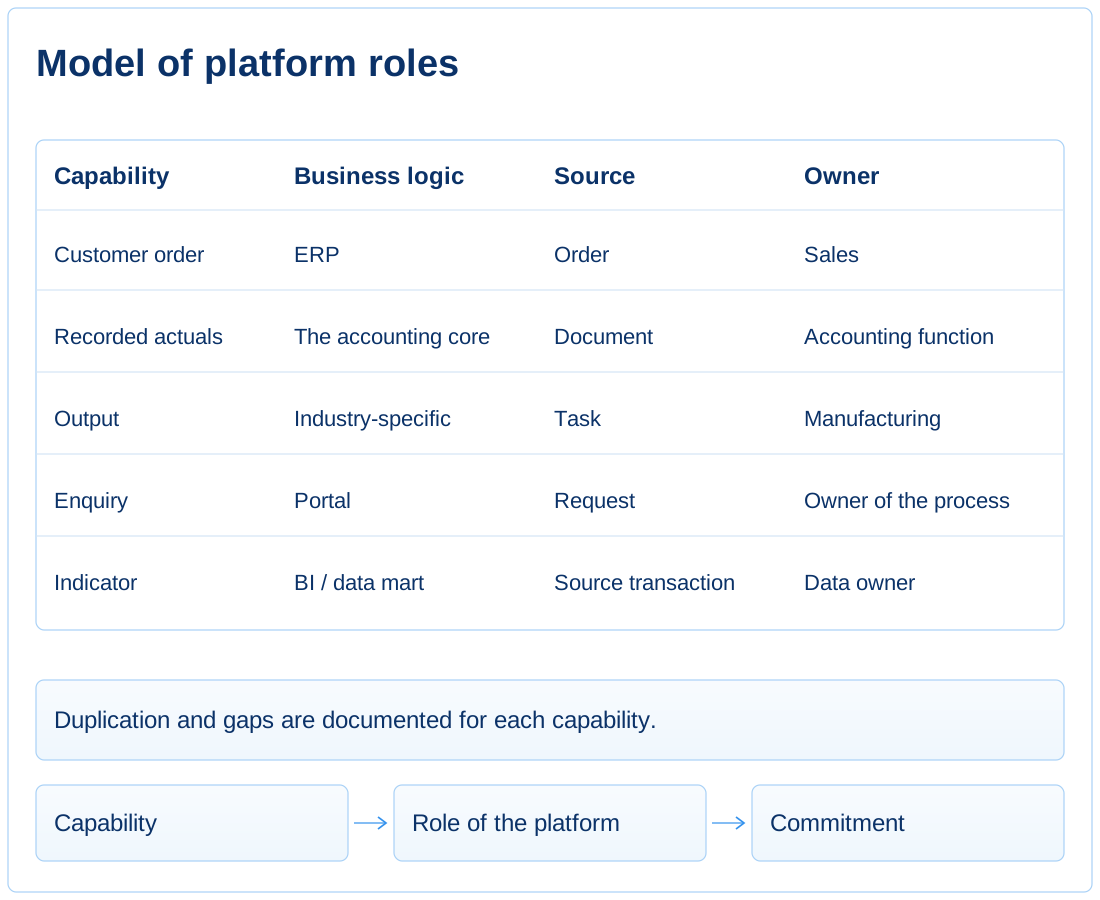
Which system supports each key capability, where the business logic resides, and where the gap remains.
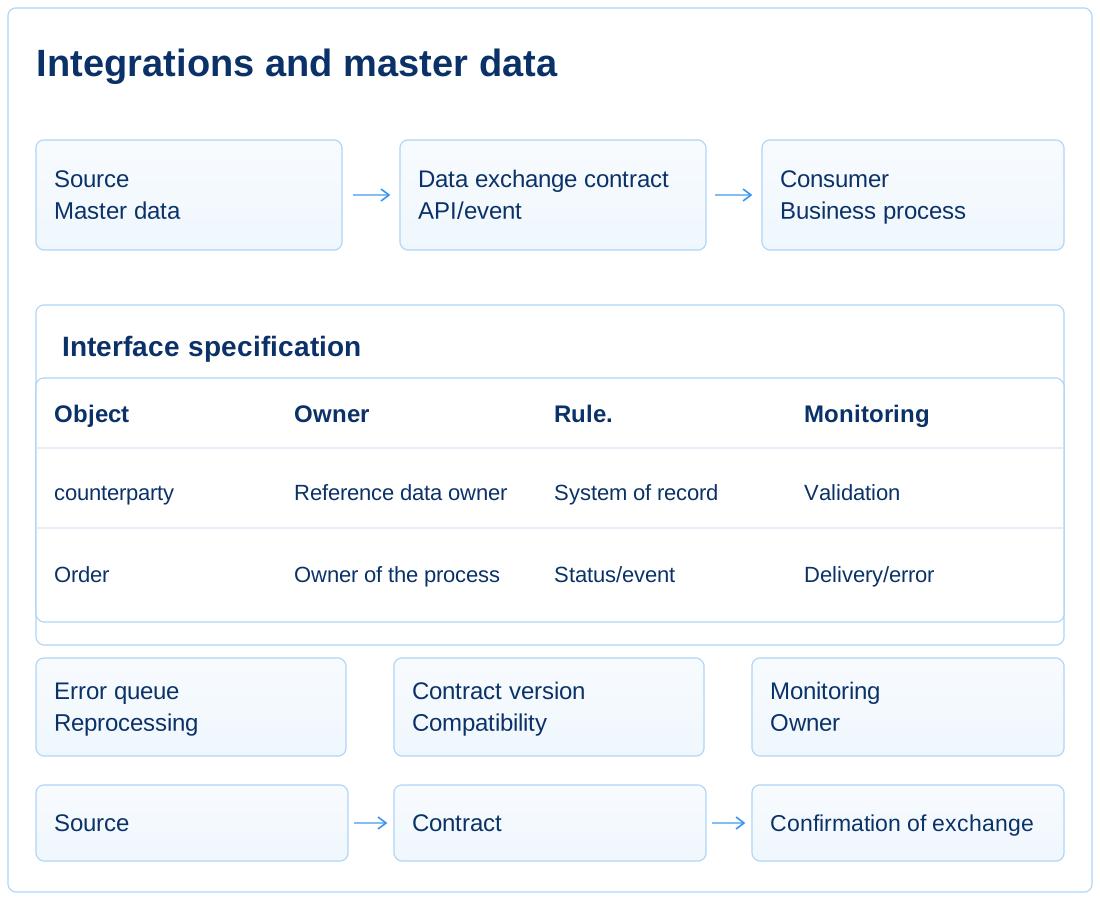
Exchange contracts, events, queues, versions, monitoring, error handling and interface owners.
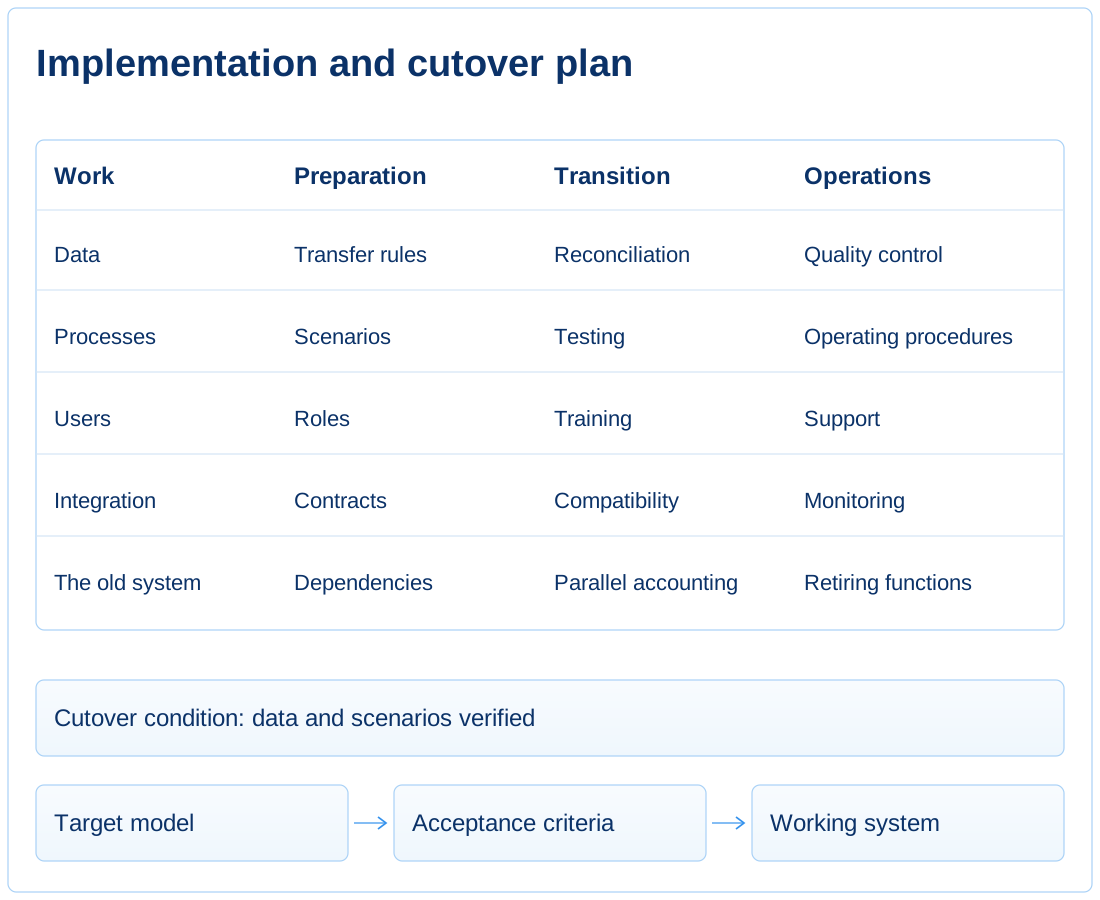
Data migration, parallel operation, reconciliation, training and retirement of previous functionality.
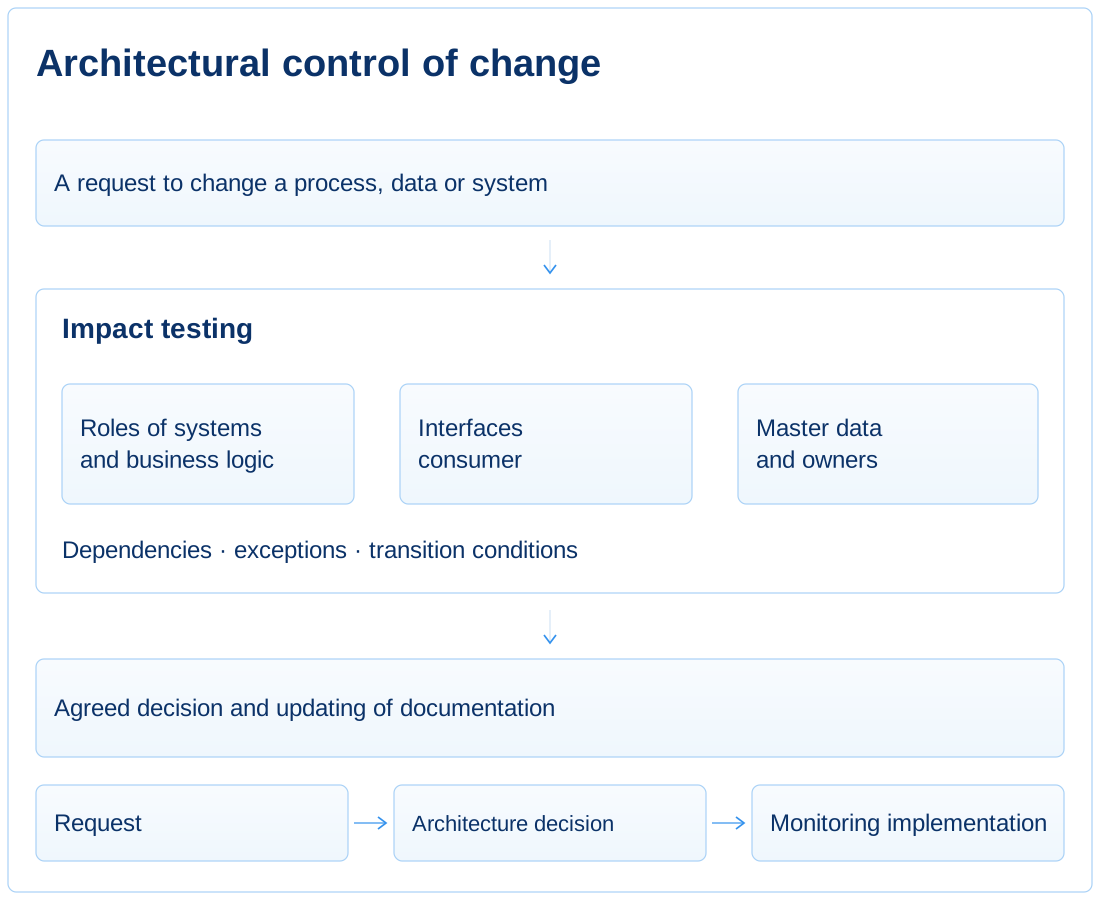
Procedures for introducing new systems, handling exceptions, maintaining documentation, assigning ownership and decommissioning.
The result is that every critical function, system, integration, and data has a role, owner, and rule of change.
The same functions are implemented in several systems, and the place of the basic business logic is not always obvious.
For each critical function, a target platform, data source, and owner are defined.
The role of the platform, the source of the data and the owner of the business logic are recorded in the architectural documentation and allocation of responsibility.
Changing one system reveals dependencies after a project or update is launched.
Before starting work, the affected systems, interfaces, data consumers and switching risks are known.
For each change, there is a dependency map, interface owners, and a list of data consumers.
Data is transferred through files, spreadsheets, email or manual exports.
Critical exchanges are described through rules, contracts, versions, monitoring, and error handling.
Re-entering and file transfers are reduced, and exchange errors are detected and processed according to the established order.
Significant system modifications support key processes, but their logic and risks are not documented.
Critical logic is described, the owner, risks and a plan for further development are defined for it.
Decisions to retain, retire or replace a modification consider its business rationale and architectural implications.
IT costs are discussed across projects and systems, but are not always related to a role for the business.
For each major initiative, a supported capability, process, risk, and place in the target architecture are defined.
A portfolio of digital projects can be matched with business capabilities, processes, and architectural gaps.
Practice is needed when the landscape evolves faster than the company can cement the roles of systems, data, and rules of exchange.