
Deadlines are confirmed before resources are checked
A date has been promised to an external or internal customer, but capacity, materials, staff and contractors have not yet been checked against that commitment.
We align demand, capacity, materials, resources, deadlines and priorities within a shared execution model, so that shortages and variances are identified before commitments fall due.
Discuss your needs →A date has been promised to an external or internal customer, but capacity, materials, staff and contractors have not yet been checked against that commitment.
The sequence of work is reviewed by operational instructions without assessing the consequences for other orders and projects.
Material, machinery, specialist or repair windows are not available at the start of the work, although the risk could be seen in advance.
Management gets a picture of performance through meetings and summary materials, rather than from the actual progress of work.
Sales confirms a delivery date to the customer. Production sets its own sequence of work, procurement handles separate requests, projects compete for the same resources, and maintenance changes capacity utilisation without prior coordination.
Without a shared plan, the company continually revises the sequence of work. Priorities change through immediate instructions without assessing their consequences, shortages emerge just before work begins, and a separate status update is prepared for each meeting.
There are functional plans, but the overall executable plan does not add up.
The variance becomes visible when the choice is already limited by the postponement, additional costs or volume reduction.
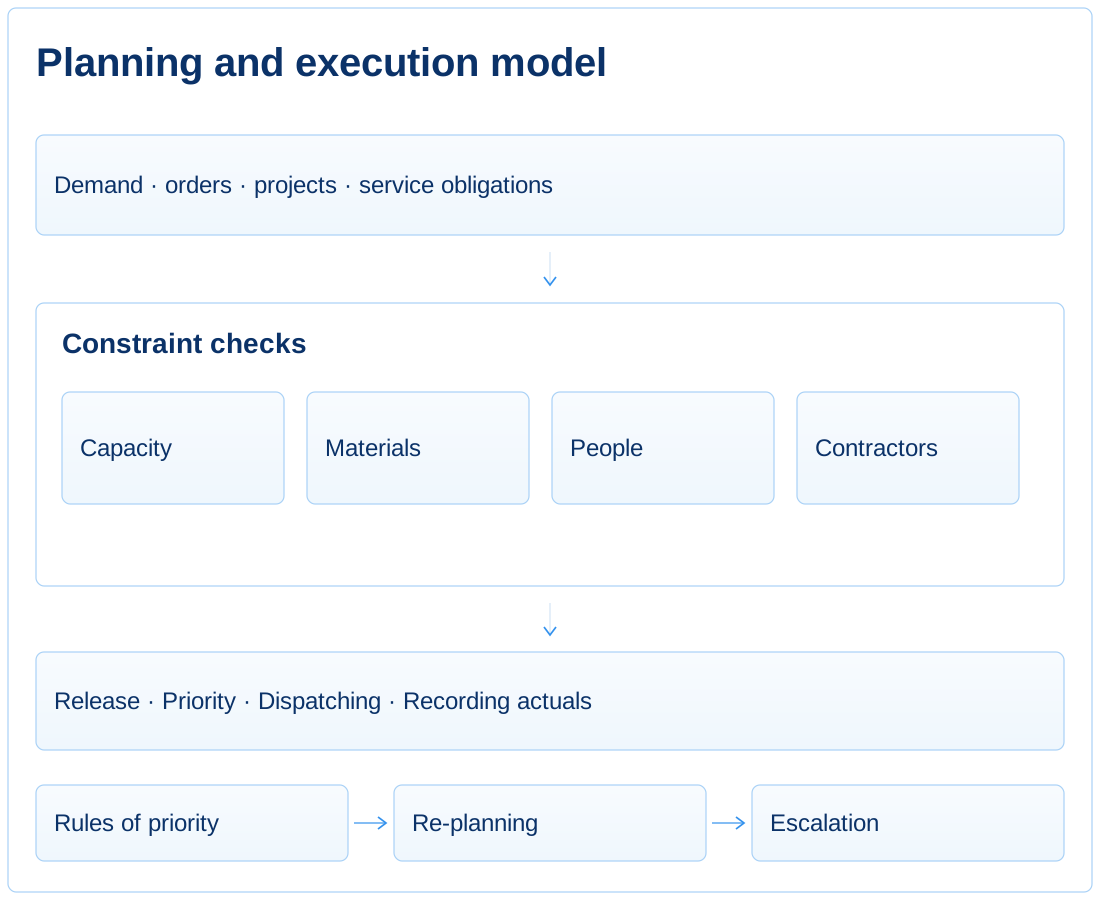
Demand, orders, projects, repairs and service obligations are compared with capacities, materials, resources and timelines.
Planning horizons, constraints, sequence, and admissible replanning rules
Each constraint has an owner: production, procurement, projects, maintenance, service, a site or a function.
Participant roles, constraint owners, escalation rules and accountability for action.
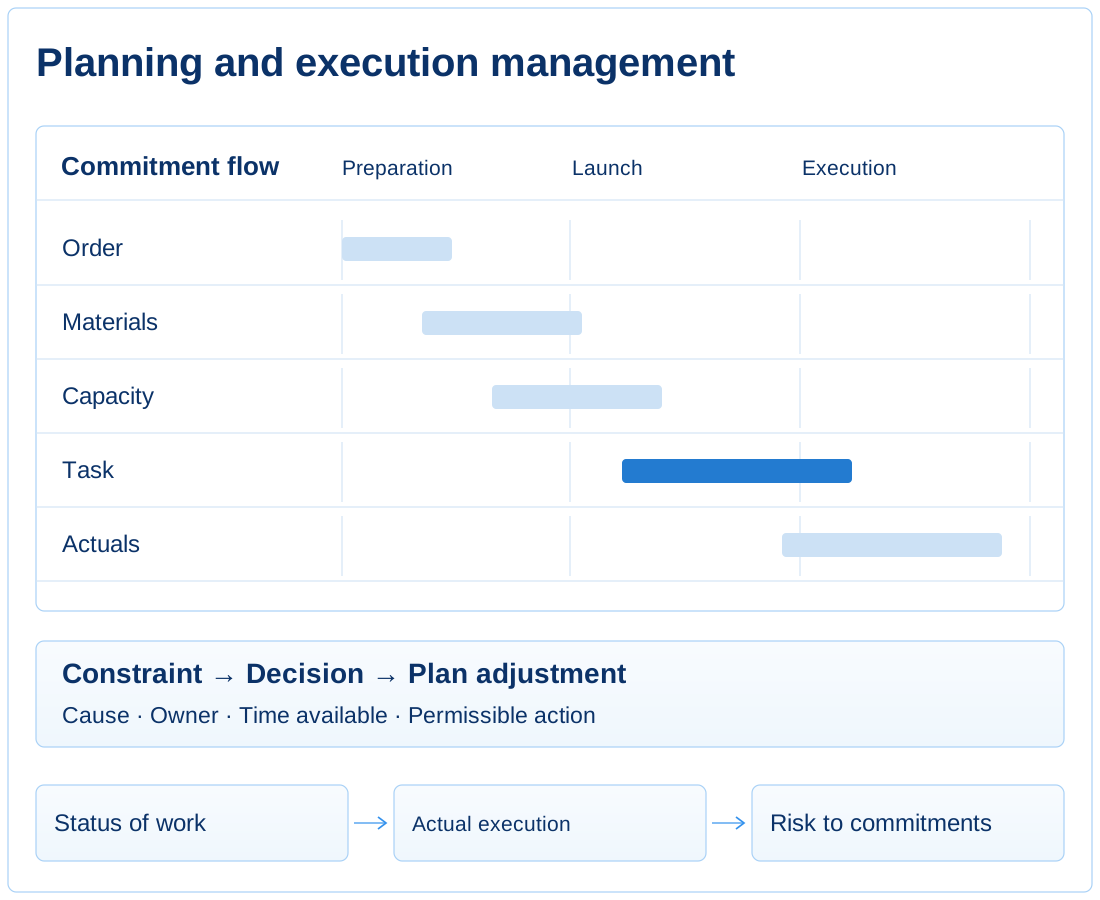
A variance is assessed by its cause, impact on the commitment, time available and permissible actions.
Statuses, thresholds of variances, format of operational meetings and procedure for adjusting the plan.
The operating model defines how commitments are delivered: planning horizons and levels, priority rules, capacity, material and staffing constraints, permissible replanning limits, recording of actual progress and escalation procedures.
Operational control needs to show more than status. Each significant variance has a recorded cause, owner, available time and permitted actions. Operational meetings focus on removing constraints that put delivery commitments at risk.
The scope depends on the business, while the approach stays consistent: trace the commitment through delivery, check constraints, define execution rules and establish regular handling of variances.
We analyse the full path of an order, project or service obligation: from confirmation of the deadline to actual execution.
Commercial, production, design and service plans exist separately and do not show the full path of commitment.
We document planning levels, handovers, constraint owners, statuses, inputs and rules for changing priorities.
It is clear where the obligation arises, who confirms it, what restrictions need to be checked and where there is a risk of non-performance.
The plan is tested for feasibility before the commitment is accepted or modified.
Timings are confirmed before inspection of capacity, materials, manpower, contractors or financial constraints.
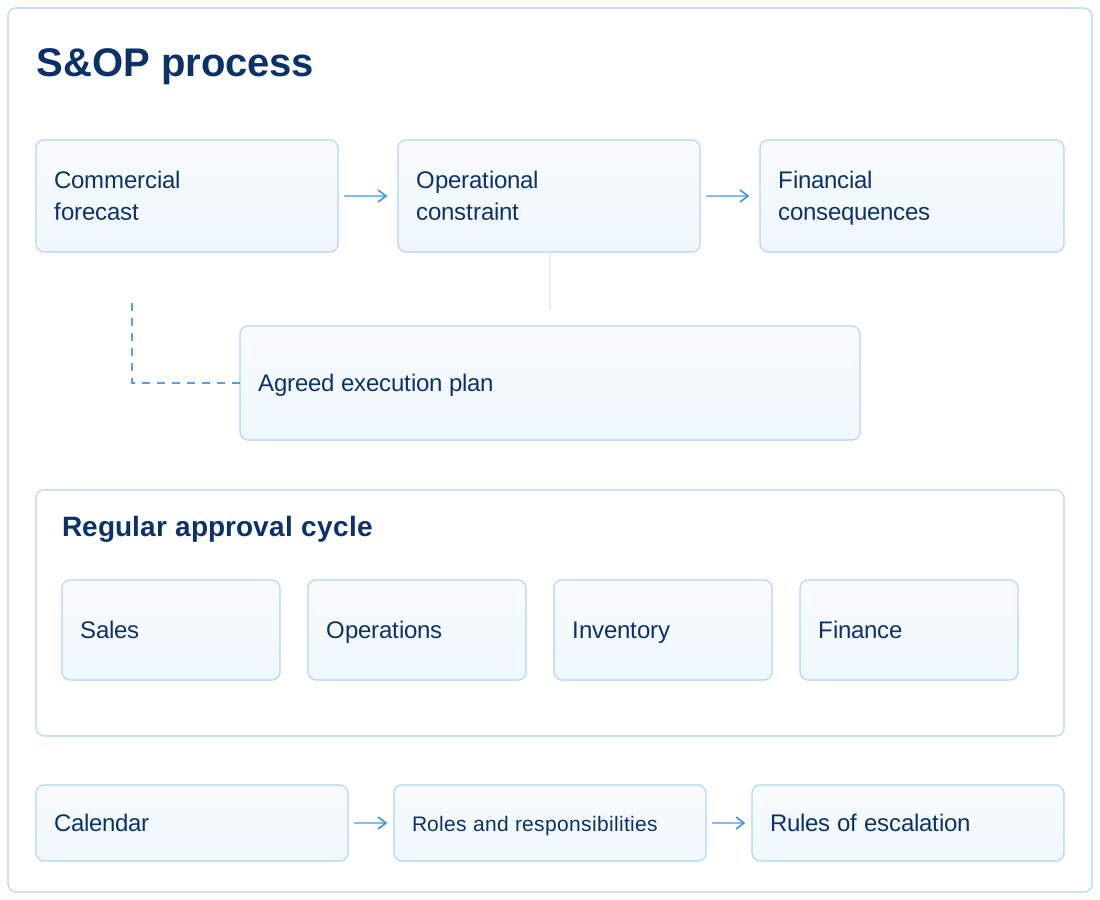
We link commercial forecast, order portfolio, available capacity, materials, manpower, contractors and financial constraints.
Each significant commitment shows required resources, shortages and their impact on the deadline.
The sequence of work follows agreed priority rules and impact assessments, rather than changing through verbal instructions.
Priorities are changed manually, and the consequences for other orders, projects or repairs are not fixed.
We define work release, dispatching, sequencing, rescheduling limits and constraint ownership.
Each priority change has a rationale, an owner and an assessment of its impact on other commitments.
Operational control shows not only the status, but also the cause of the variance, the owner and the action available.
Execution status is prepared for the meeting manually, and variances are discussed without a single format of cause and action.
Determine indicators, thresholds of escalation, composition of operational meetings, format of analysis of variances and order of corrective actions.
Each significant variance has a defined cause, owner, action deadline and impact on the commitment.
Project formats and results: from the operating model and S&OP to the implementation of planning, logistics, WMS, MRO and execution control systems.
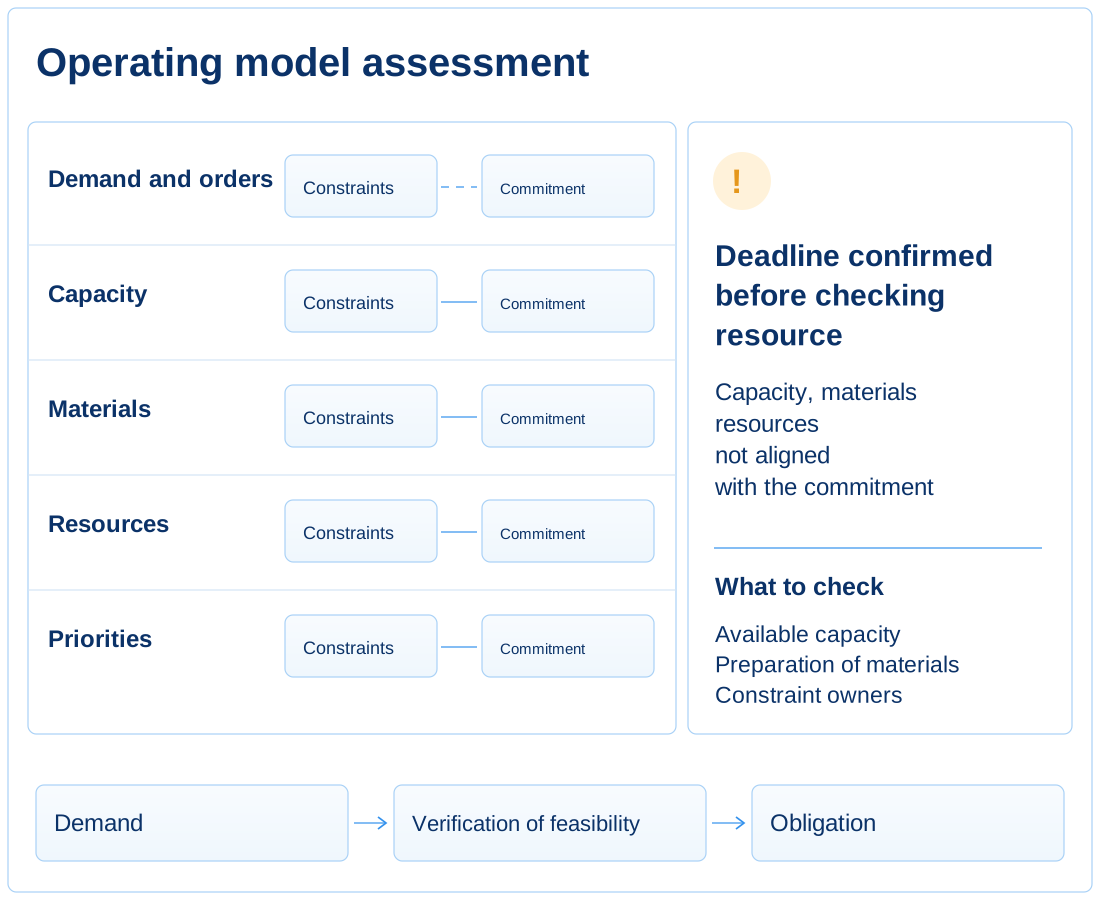
A map of gaps between demand, capacity, materials, resources, deadlines and commitments, showing where constraints are not visible in advance and execution depends on manual coordination.
A target approach to managing commitments: how activities are planned, resources allocated, dates confirmed, constraints recorded and decisions made when resources are insufficient.
A regular cycle aligning sales, operations, inventory, capacity, procurement and the financial implications of decisions, with a clear calendar, roles and escalation rules.
A working planning and dispatch framework: orders, production tasks, project activities, resources, constraints, status, actual execution and corrective actions.
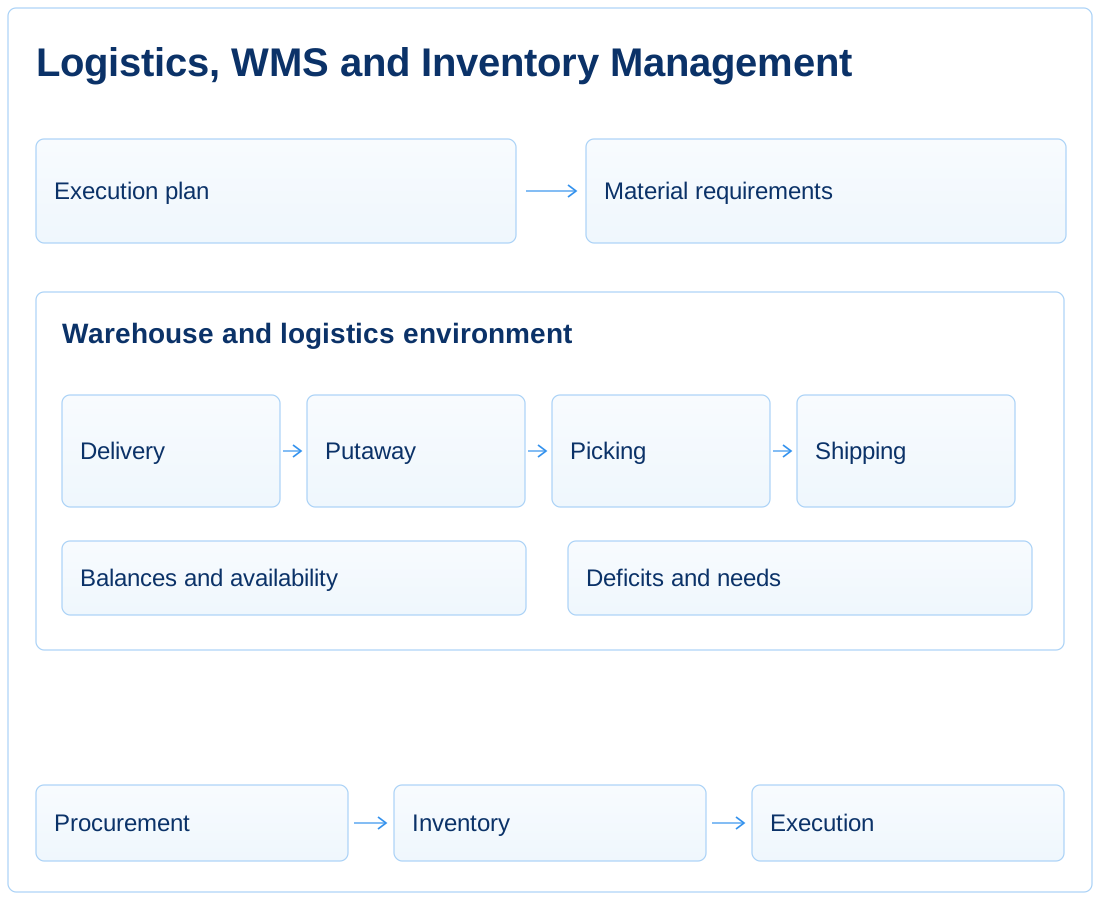
A target warehouse and logistics environment: requirements, procurement, deliveries, put-away, picking, shipping, stock balances, shortages and the link between inventory and the execution plan.
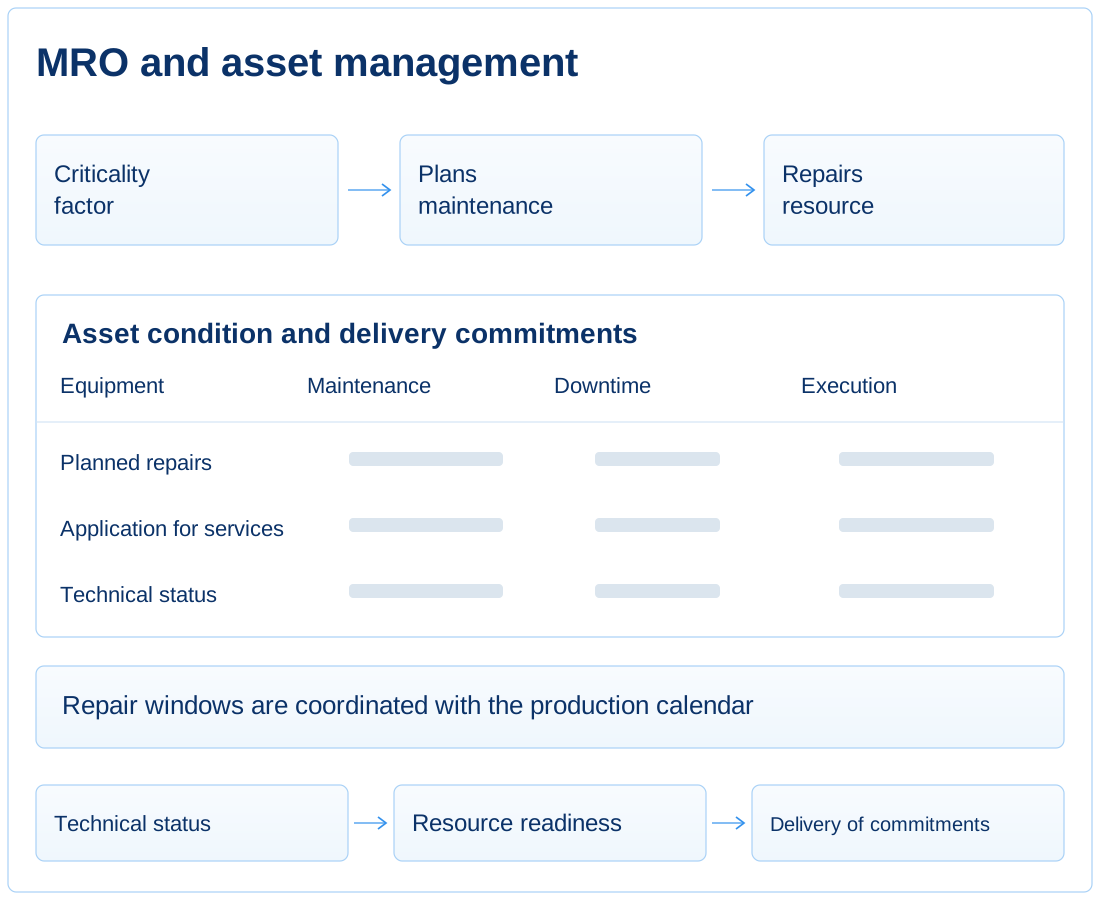
An asset operations model: equipment criticality, maintenance plans, repair resources, requests, status, downtime and the effect of technical condition on delivery commitments.
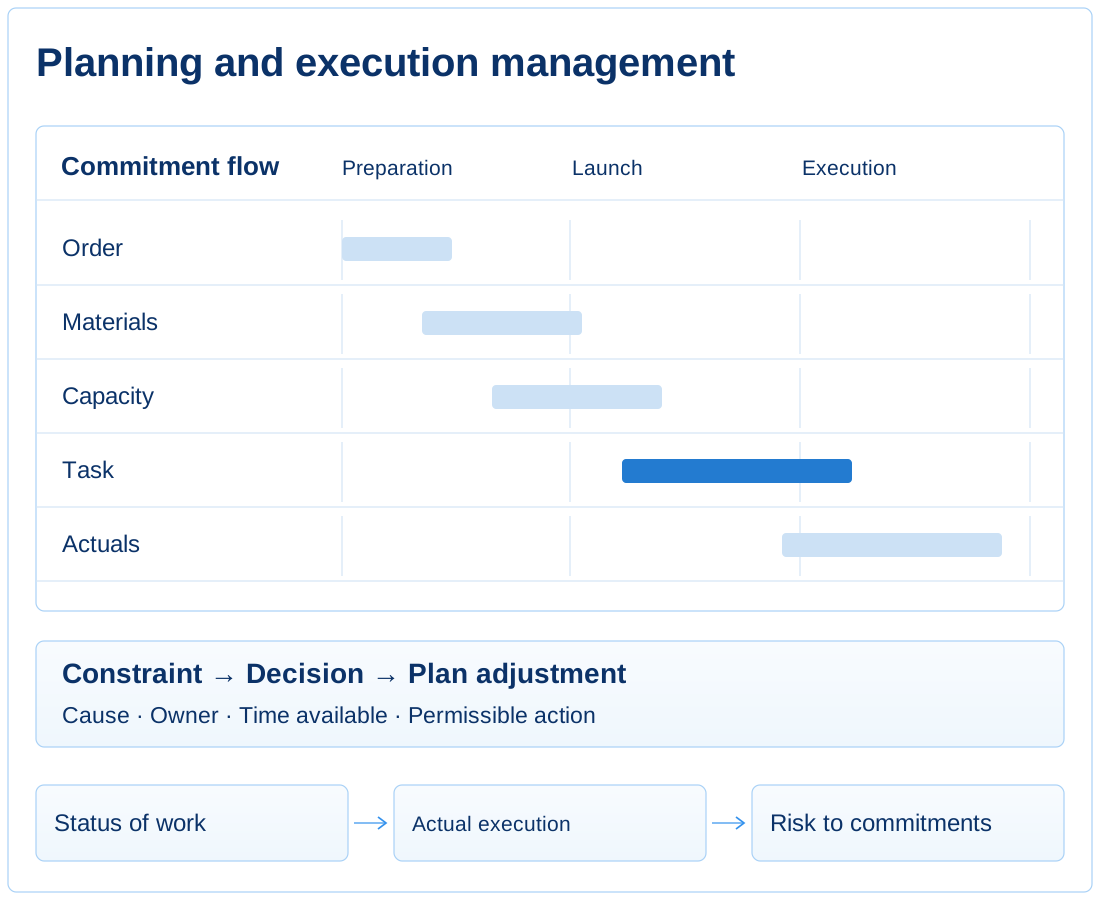
The path of an order, project or service commitment, with handovers, statuses and constraint owners.
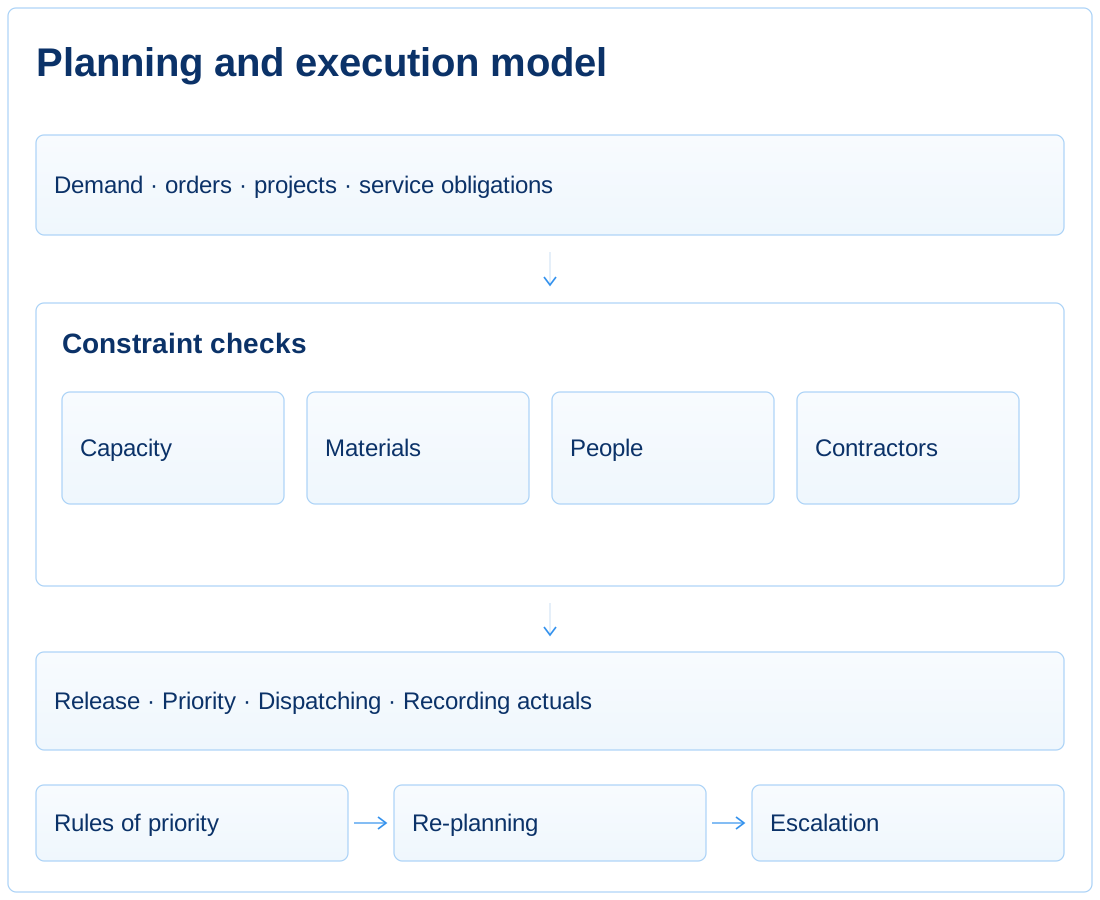
Horizons, planning levels, priority rules, allowable replanning boundaries.
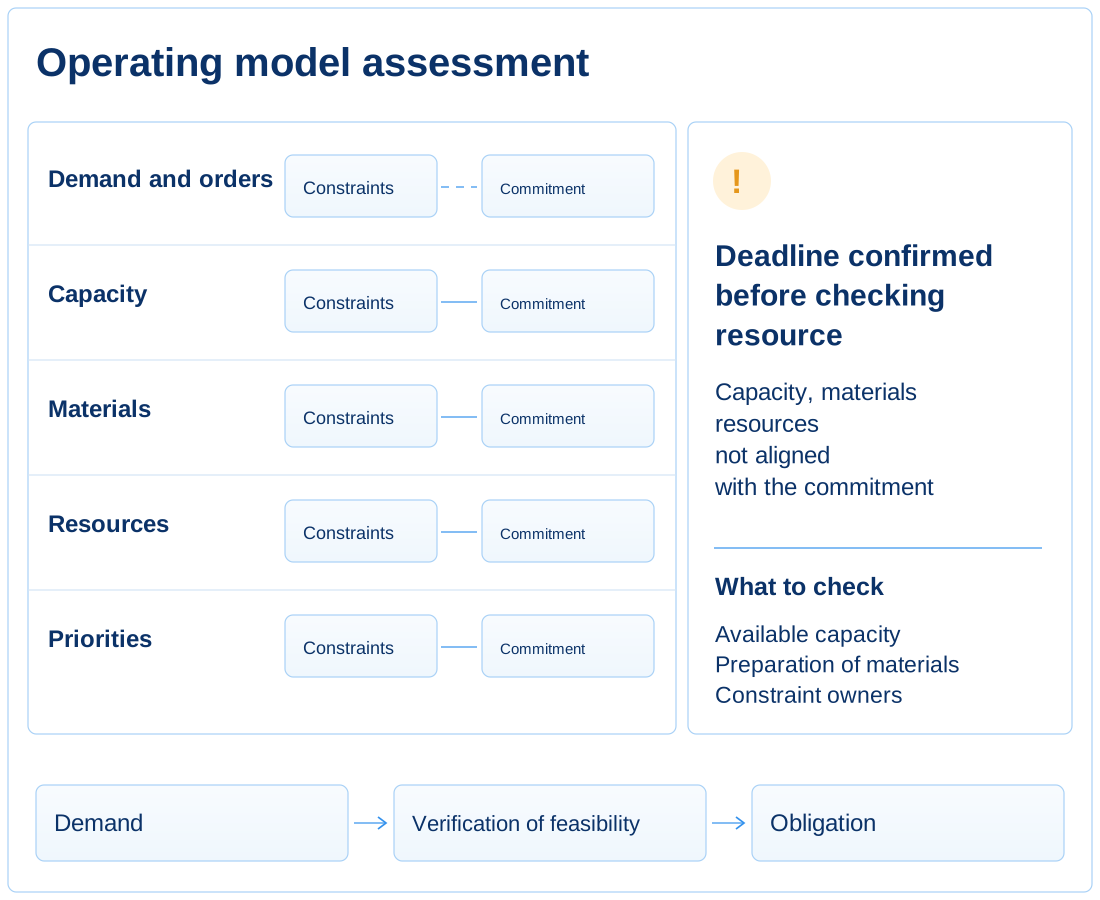
The relationship between demand, capacity, materials, labour, contractors and financial constraints.
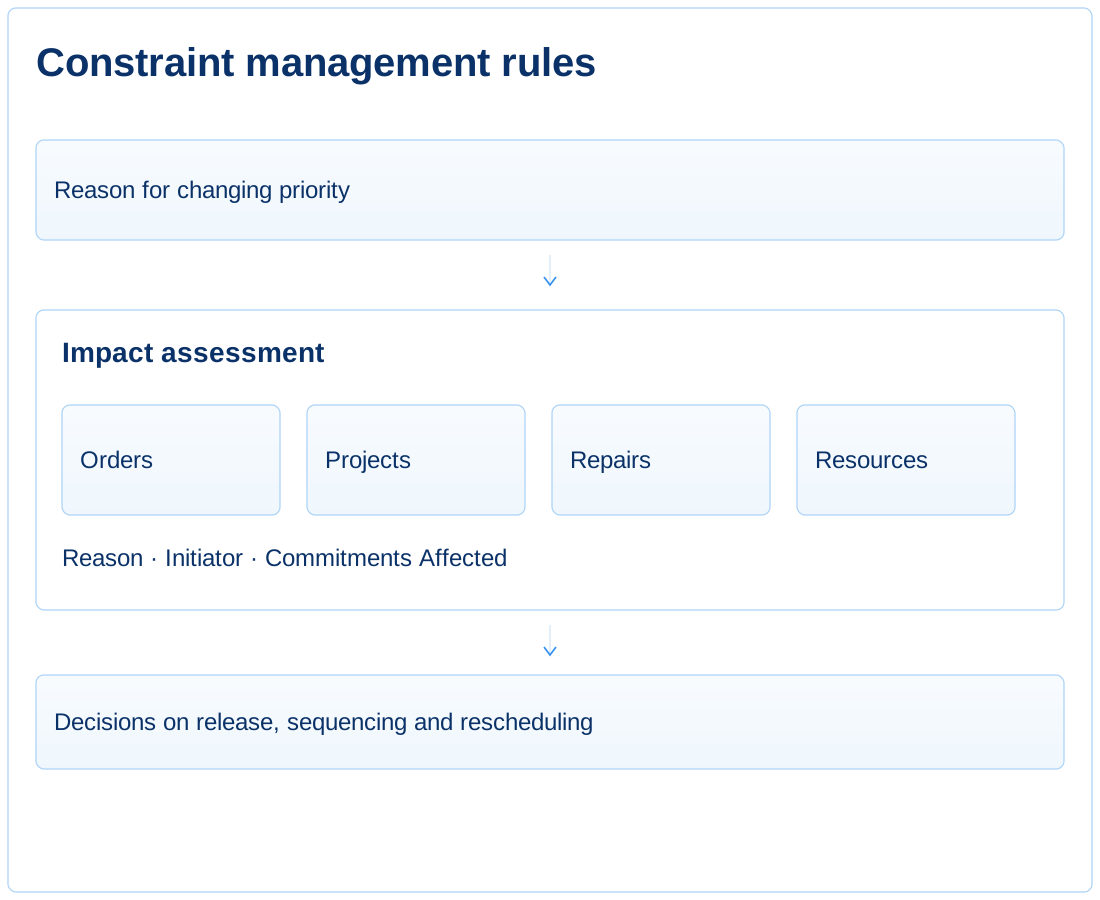
Procedures for work release, sequencing, dispatching, recording actuals and assessing consequences.
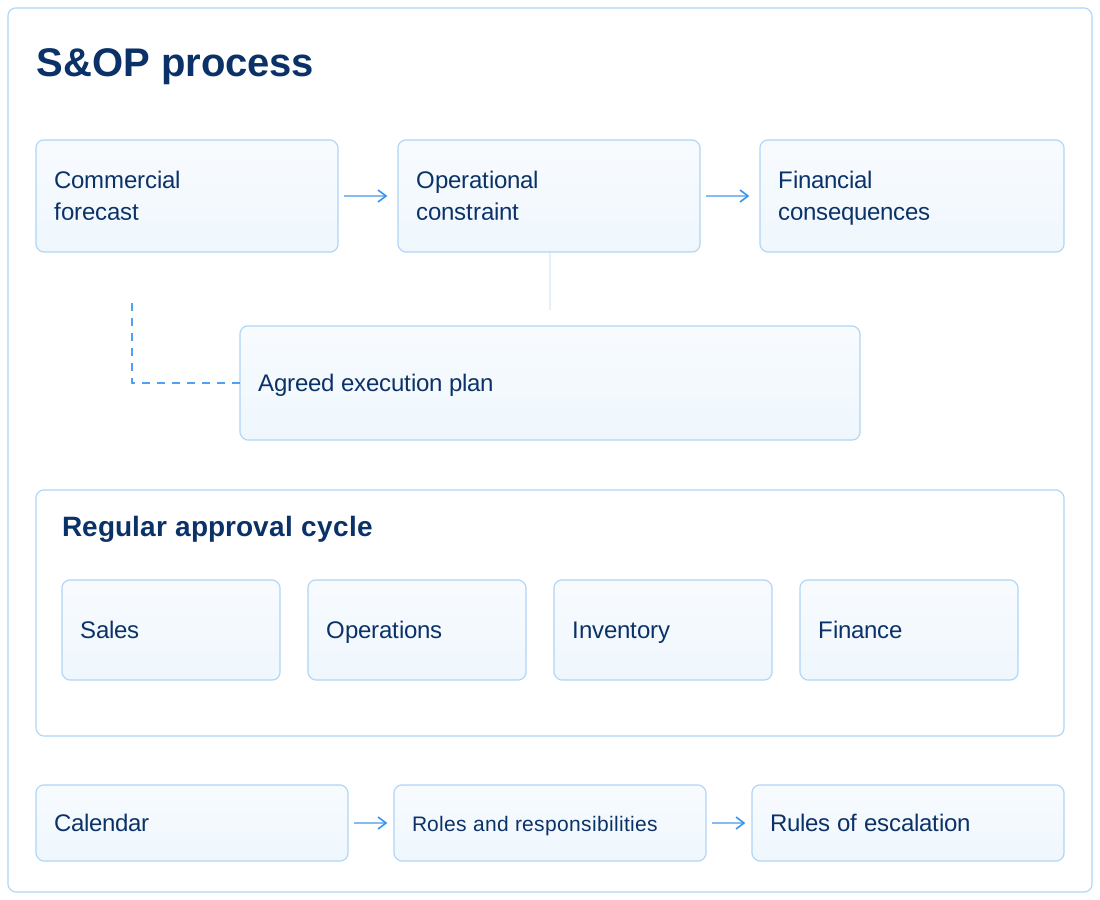
Composition of operational meetings, indicators, thresholds of escalation and format of corrective actions.
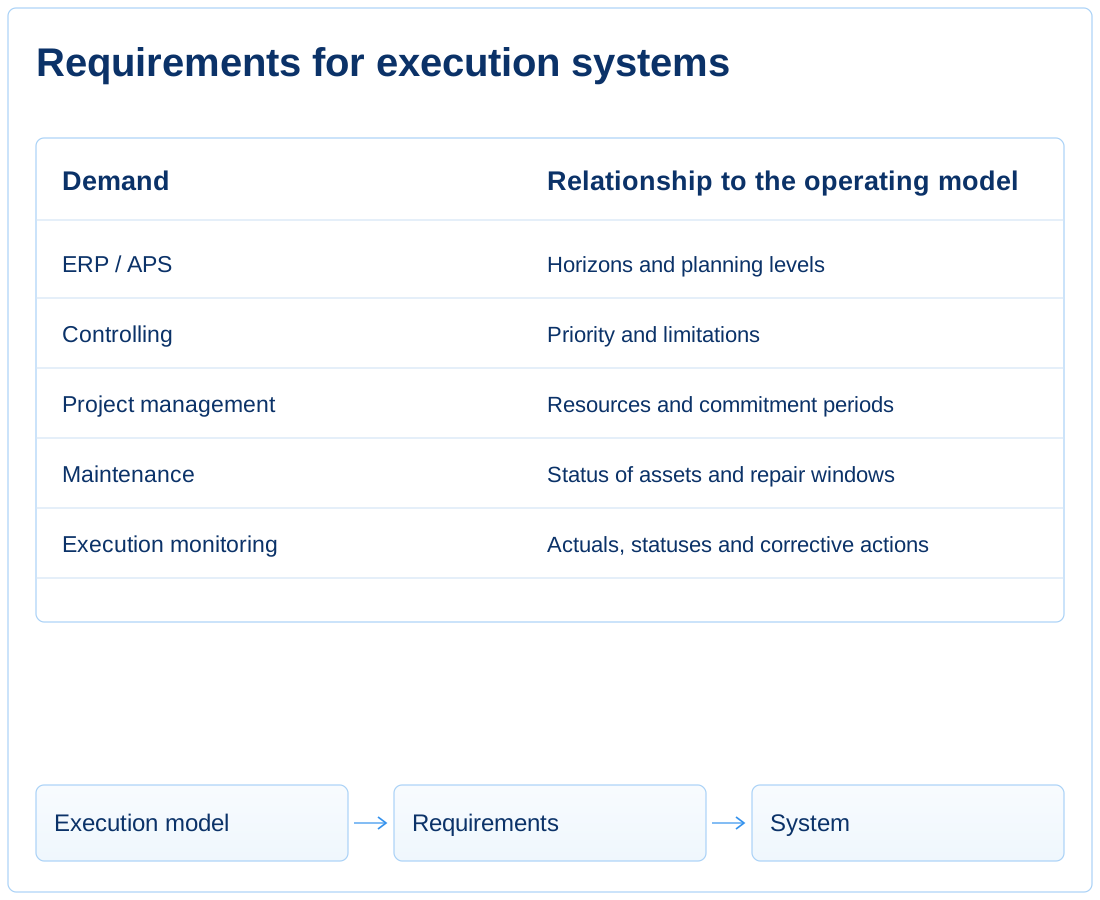
Requirements for ERP, APS, project management, dispatching or MRO, formed from the actual execution model.
Results are visible in the ability to identify a constraint early, assess its impact and take action before a deadline is missed, as well as in the status of work.
Management learns about the shortfall or risk of a deadline immediately before the start of work.
Data on the deficit and its impact are available up to the commitment date.
Each risk shows the deadline, resource, order or project affected and the actions still available.
Functional plans are formed separately and do not show the overall feasibility of obligations.
Demand is correlated with capacity, materials, manpower, contractors and available time.
It is clear for the commitment which restrictions are checked and where the deficit arises.
Priorities change through operational instructions without recording the impact on other orders and projects.
Replanning is carried out according to established rules with the owner and assessment of consequences.
Each priority change records its cause, initiator, affected commitments and expected impact.
Functions keep their own plans and check them manually at meetings.
Functions operate in a general cycle of planning, control and escalation.
The status of the order, project or repair is formed from the overall execution model, and not from individual reports.
The rules for launching, dispatching and controlling depend on individual managers and local practices.
The rules of planning, dispatching, control and work with variances are applied uniformly.
The new site is connected to the general planning horizons, statuses, indicators and rules of escalation.
This practice is needed when commitments to customers, projects or production change faster than the company can align resources and constraints.