
Infrastructure developed in fragments
Servers, networks, domains, mail, file resources, VPN, backup and monitoring were created for separate tasks without a single target architecture.
We design and develop infrastructure, private cloud, enterprise services and security controls so that business systems, data, communications and workflows operate reliably, predictably and under control.
Discuss your needs →Servers, networks, domains, mail, file resources, VPN, backup and monitoring were created for separate tasks without a single target architecture.
Active Directory, DNS, DHCP, email, file services, access and workstations are maintained under different rules and depend on local practices.
Compute, storage, redundancy, workload placement and support develop without shared service classes or operating rules.
Access rights, segmentation, logging, change control and contractor access are not connected within a shared risk management framework.
Many companies have built their infrastructure in response to individual needs: a server for a new system, a separate file share, email, a domain, VPN, backups, monitoring, an integration or contractor access. Each component may solve a local problem, but over time the environment becomes difficult to manage.
Key services rely on dependencies that are not always visible. Active Directory, DNS, email, file shares, virtualisation, networking, storage, backups and monitoring remain in the background until a failure, increased workload, migration, security audit or new business system brings them into focus.
At that point, the lack of a unified infrastructure architecture becomes apparent: dependencies are unknown, criticality levels are undefined, permissions and roles have accumulated over time, redundancy is inconsistent, and operations depend on a few specialists or contractors.
Infrastructure becomes a risk not when a server breaks down, but when a business doesn’t understand what its critical services rely on.
Private cloud, enterprise services, and security should be designed as a single technology environment, not as a collection of unrelated IT components.
ERP, document management, email, file shares, customer services, workstations, analytics, portals and industry-specific systems need a clear infrastructure foundation.
Critical services, users, work scenarios, dependencies, availability, performance and recovery requirements.
Compute, virtualisation, storage, networking, domain infrastructure, DNS, email, file services, backups and monitoring need to operate as one managed environment.
Hosting architecture, workload classes, infrastructure services, and rules for redundancy, support and scaling.
Permissions, roles, segmentation, logging, change management, Service Desk, documentation and tested recovery turn separate infrastructure components into a managed system.
Access model, areas of responsibility, monitoring, incidents, changes, documentation, recovery scenarios and operational regulations.
Reliable infrastructure starts with understanding the business services, users, data and systems it supports. Some services require continuity, others need strict access control, and others depend on performance, scalability or independence from external hosting providers.
Infrastructure architecture therefore needs to cover servers and communication links alongside enterprise services, workload placement, identity management, network connectivity, redundancy, monitoring, security and operating procedures.
We start by assessing the current environment and business-critical services, then design the target architecture, private cloud, enterprise services, security and operating model.
We document the actual environment: systems, services, sites, networks, access, contractors, redundancy, monitoring and operational processes.
Infrastructure is described in part, dependencies are known to individual specialists, and the actual picture differs from the documentation.
We assess servers, virtualisation, networking, storage, domain infrastructure, DNS, email, file shares, backups, monitoring, access permissions, contractors and operating processes.
There is a map of current infrastructure, critical dependencies, technical debt, risks and areas requiring standardisation.
We define where workloads, data and services are hosted, how redundancy is provided and which support rules apply.
New systems and services are hosted as needs arise, without a shared model of workload classes and support requirements.
We define the target architecture for compute, storage, networks, virtualisation, workload placement, redundancy, access and monitoring.
Workload locations, critical services, and availability, performance and recovery requirements are clearly defined.
A private or hybrid cloud should provide an environment for business systems, digital services, data and workflows.
Virtualisation, the domain, email, files, access and workplace services exist but develop as separate components.
We design and implement private or hybrid cloud, core infrastructure services, domain infrastructure, DNS, enterprise email, file services, backups, monitoring and operational tools.
Businesses get a single managed environment for hosting systems, work services, data and digital products.
Infrastructure must be observable, protected and maintained through repeatable procedures.
Security, monitoring, Service Desk, change management, and recovery are fragmented.
We define roles, least-privilege access, segmentation, logging, change control, service monitoring, incident procedures, documentation and recovery scenarios.
Infrastructure is observable, access is managed, changes are controlled, and recovery is verified by testing.
Engagements and deliverables range from infrastructure audits to private cloud, enterprise services, monitoring, recovery and infrastructure security.
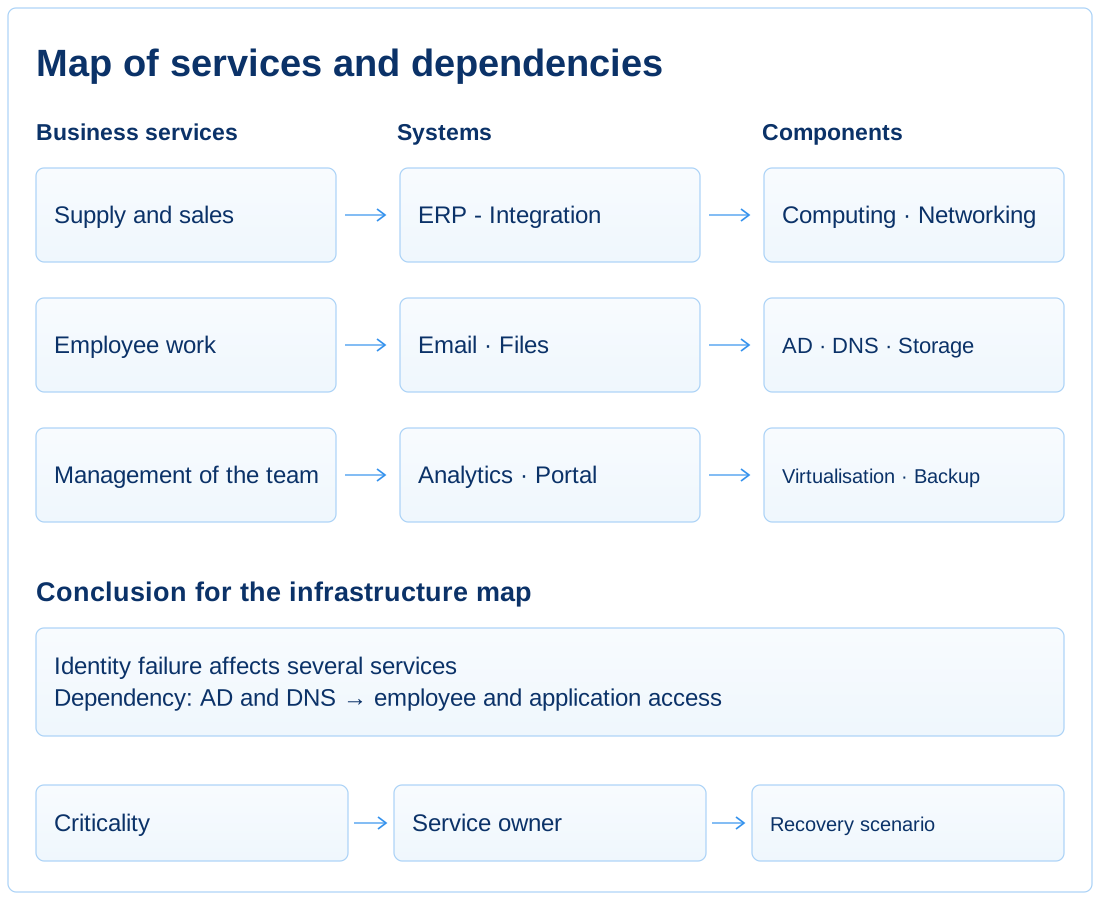
A map of the current infrastructure: servers, networking, storage, virtualisation, the domain, email, file resources, workstations, monitoring, backups and operations.
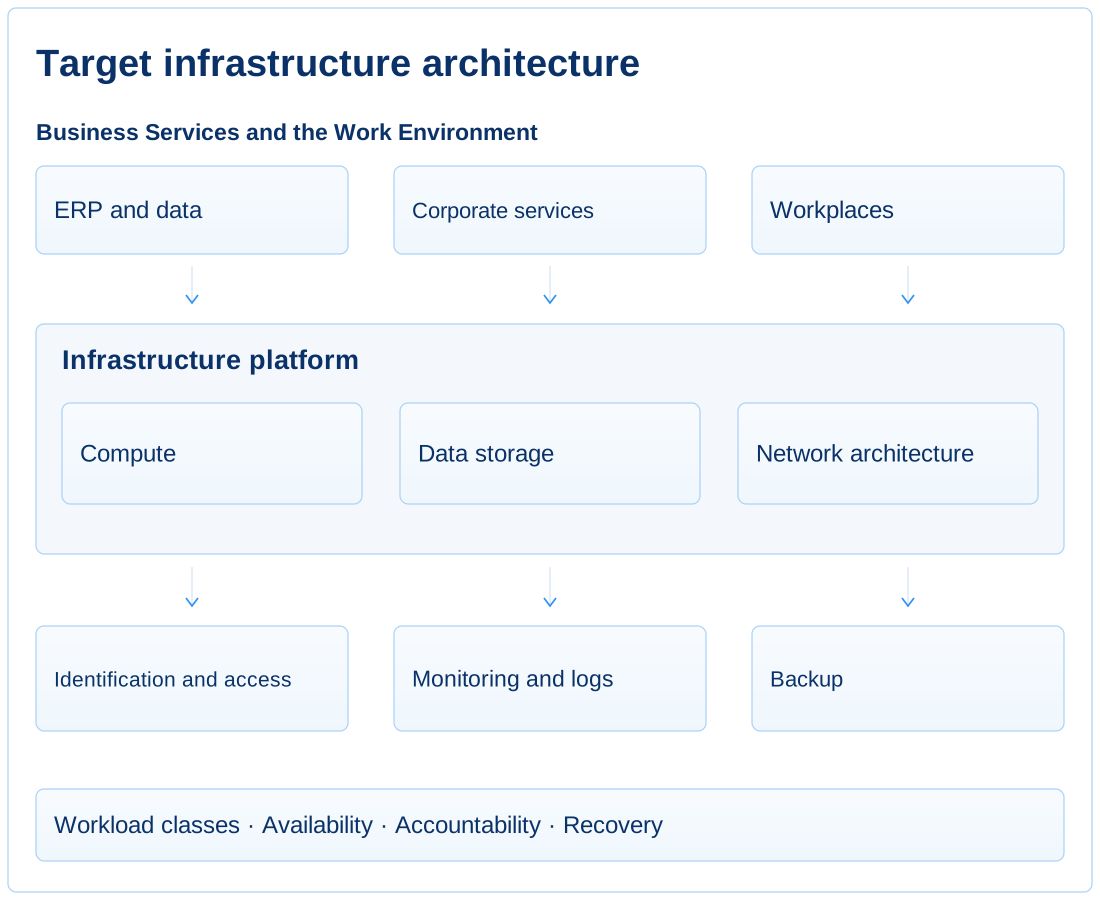
A target infrastructure architecture as the technology foundation for enterprise systems, data, integrations, analytics, AI, communications and workflows.
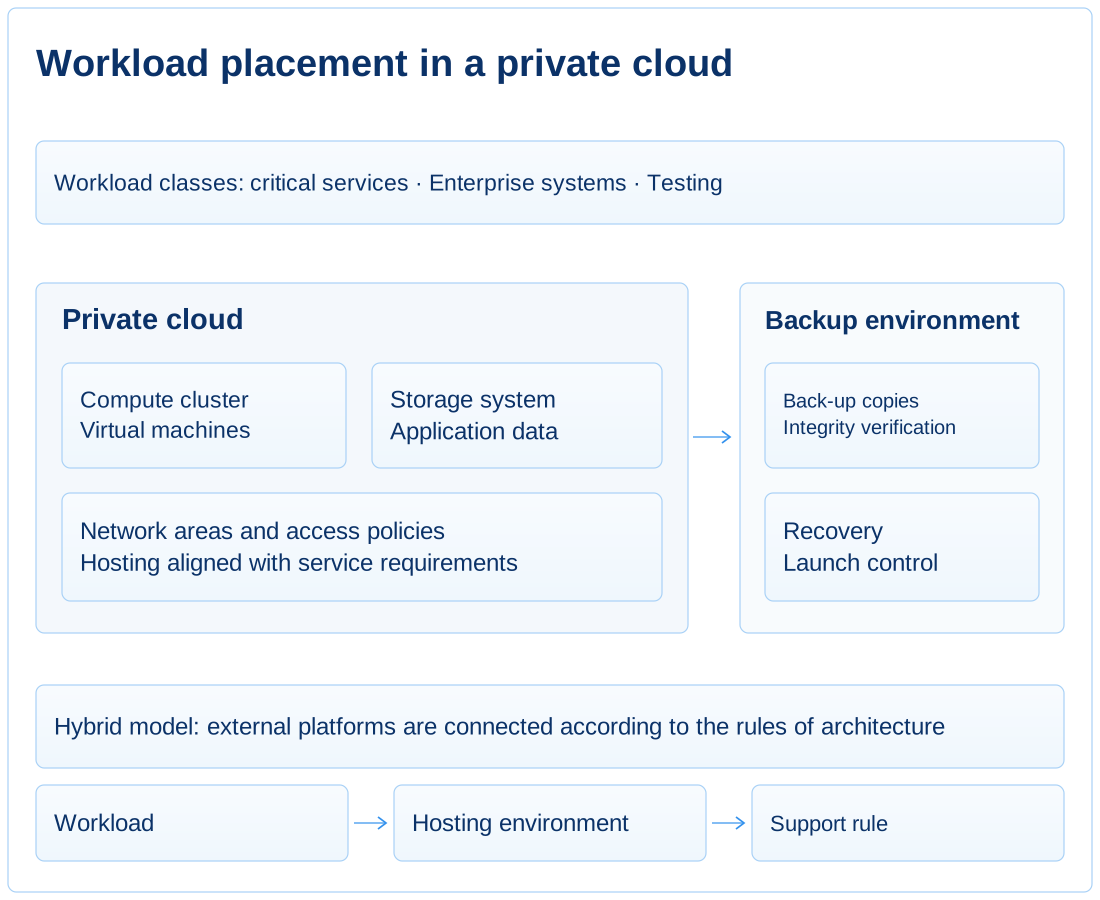
A private cloud environment: compute resources, virtualisation, storage, networking, workload placement rules, resource management and operational readiness.
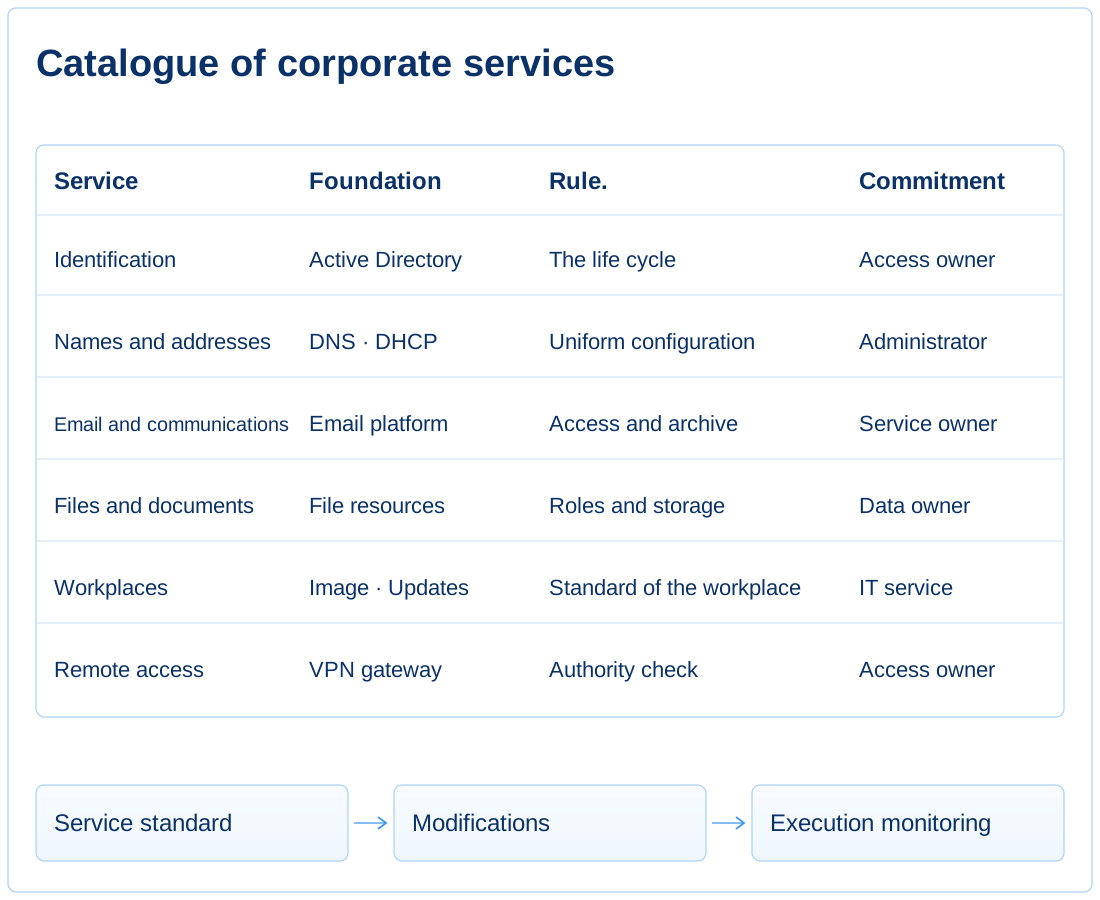
Common rules and architecture for Active Directory, DNS, DHCP, file services, enterprise email, workstations, remote access and communication platforms.
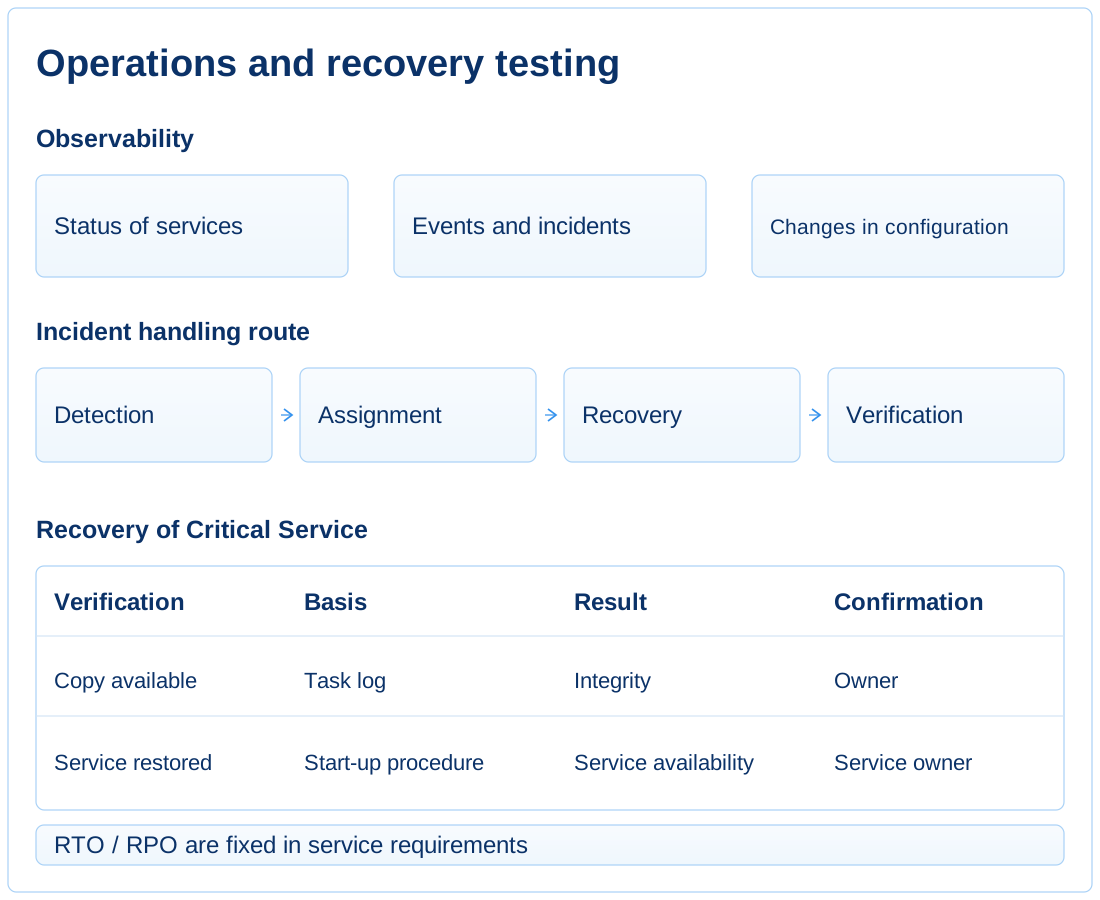
An operating framework for private cloud and critical services: monitoring, incidents, changes, backups, recovery testing, RTO/RPO, response procedures and operational reporting.
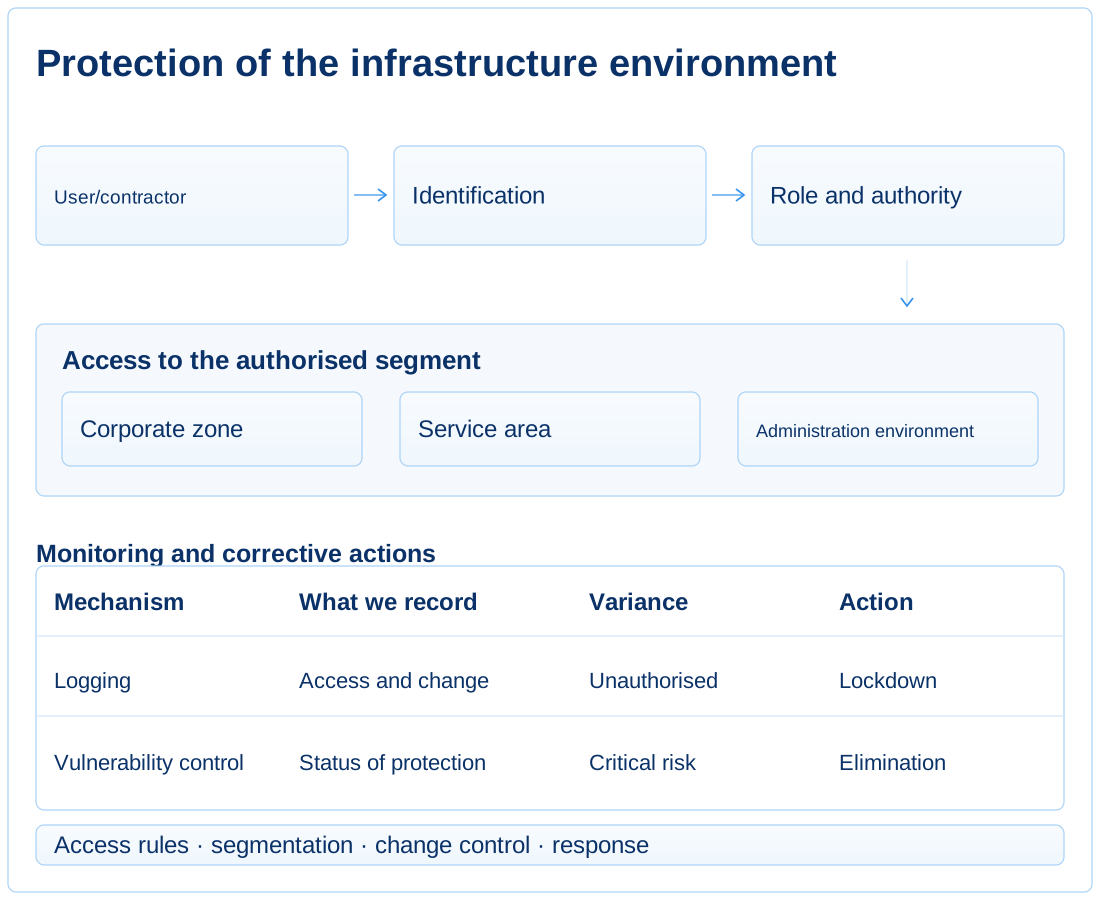
A managed security framework for the business: access permissions, segmentation, logging, change control, incident response, vulnerability remediation and verification of critical security mechanisms.
For critical infrastructure and private clouds, Kontur Technologies can provide operational support under a separate agreement: monitoring, incident handling, change management, backups, recovery testing and verification of agreed operational parameters.
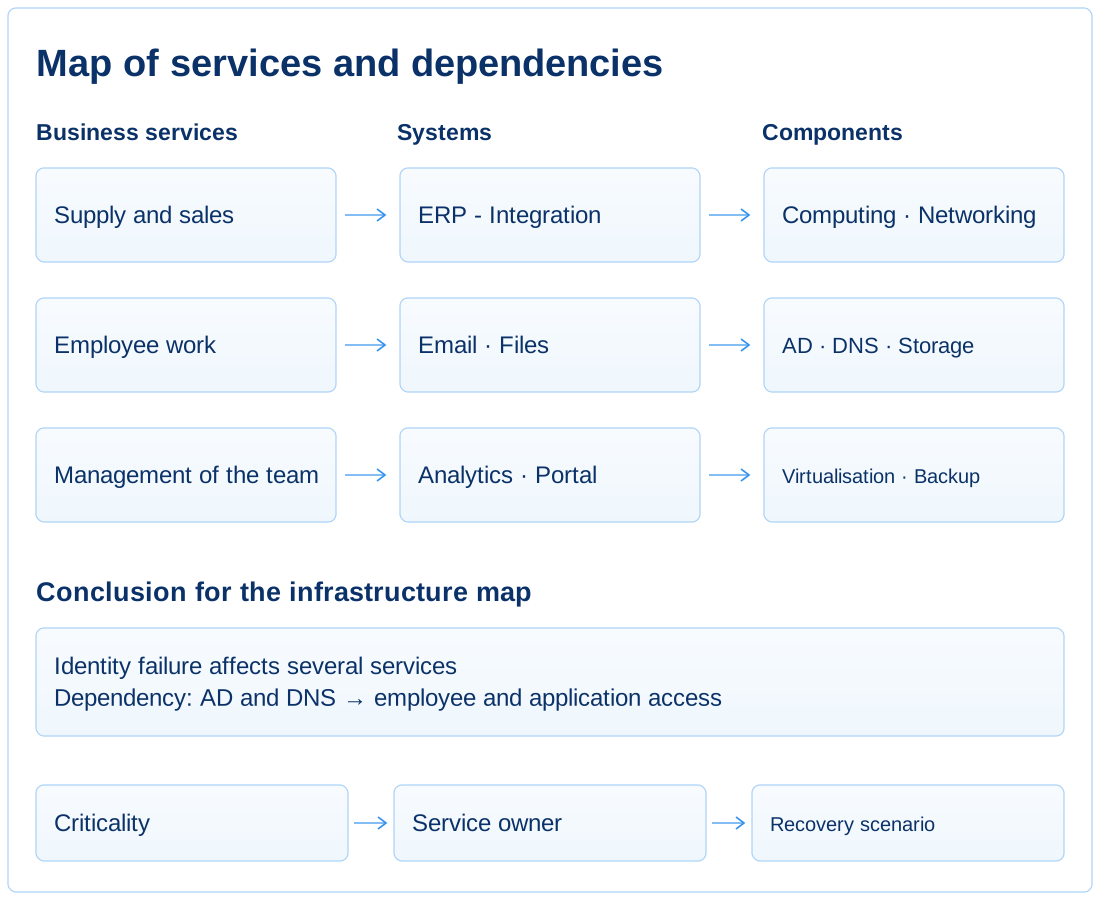
An actual diagram of servers, networks, storage, virtualisation, enterprise services, business systems, and critical dependencies.
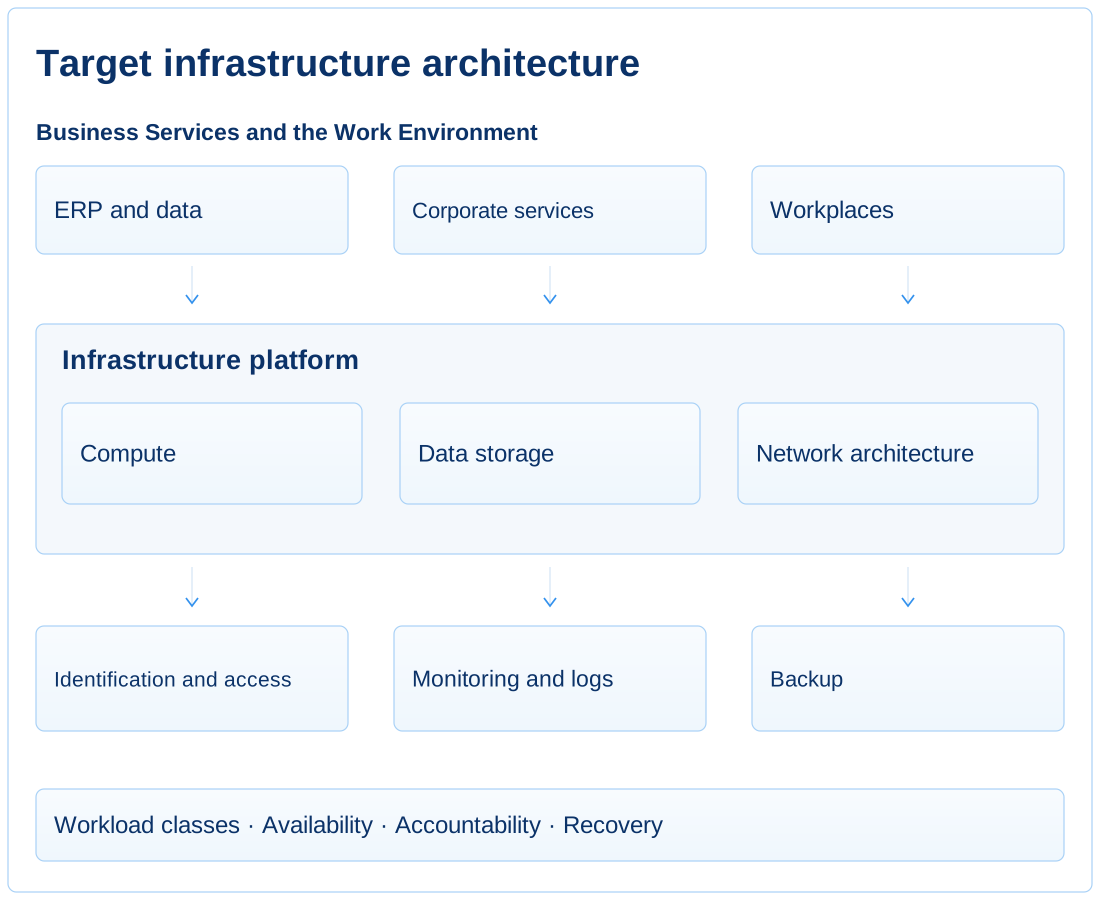
A model of compute, storage, networks, workload placement, redundancy, monitoring and infrastructure development.
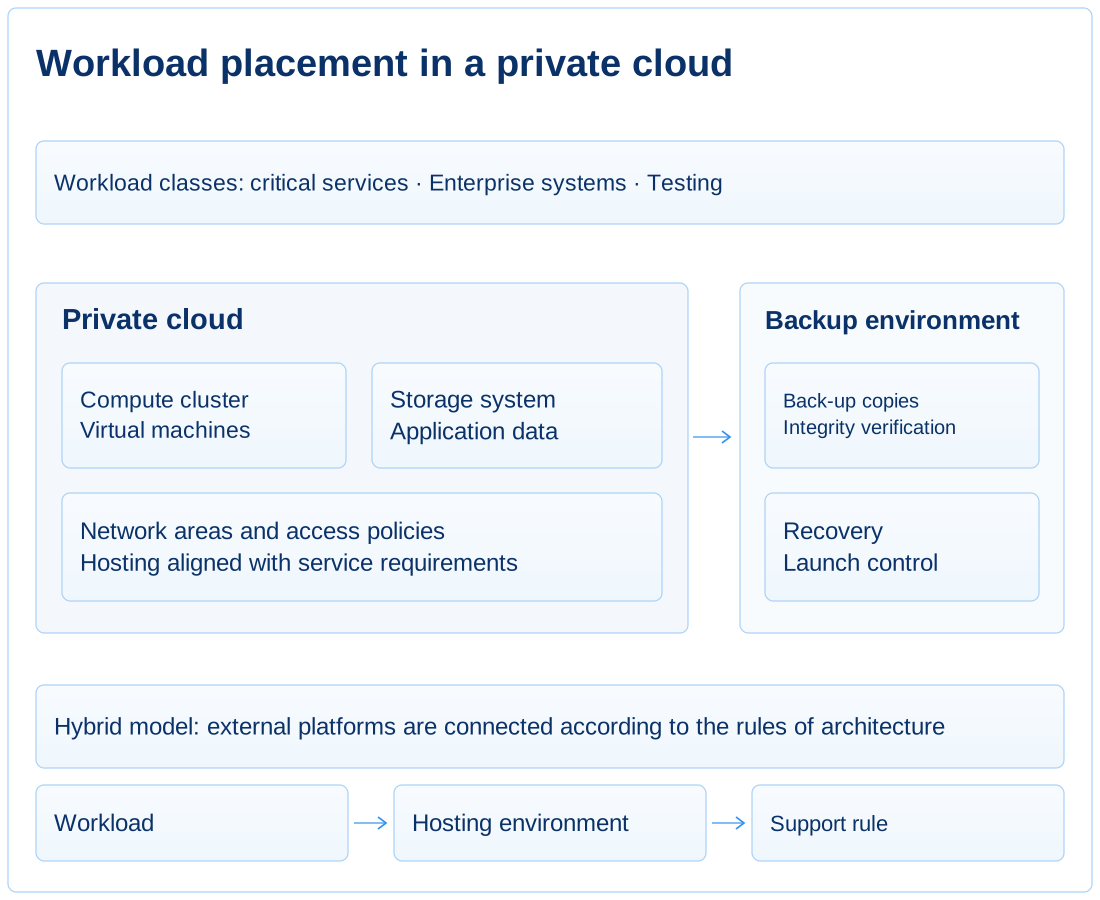
Workload classes, compute resources, storage, virtualisation, redundancy, operations and system hosting rules.
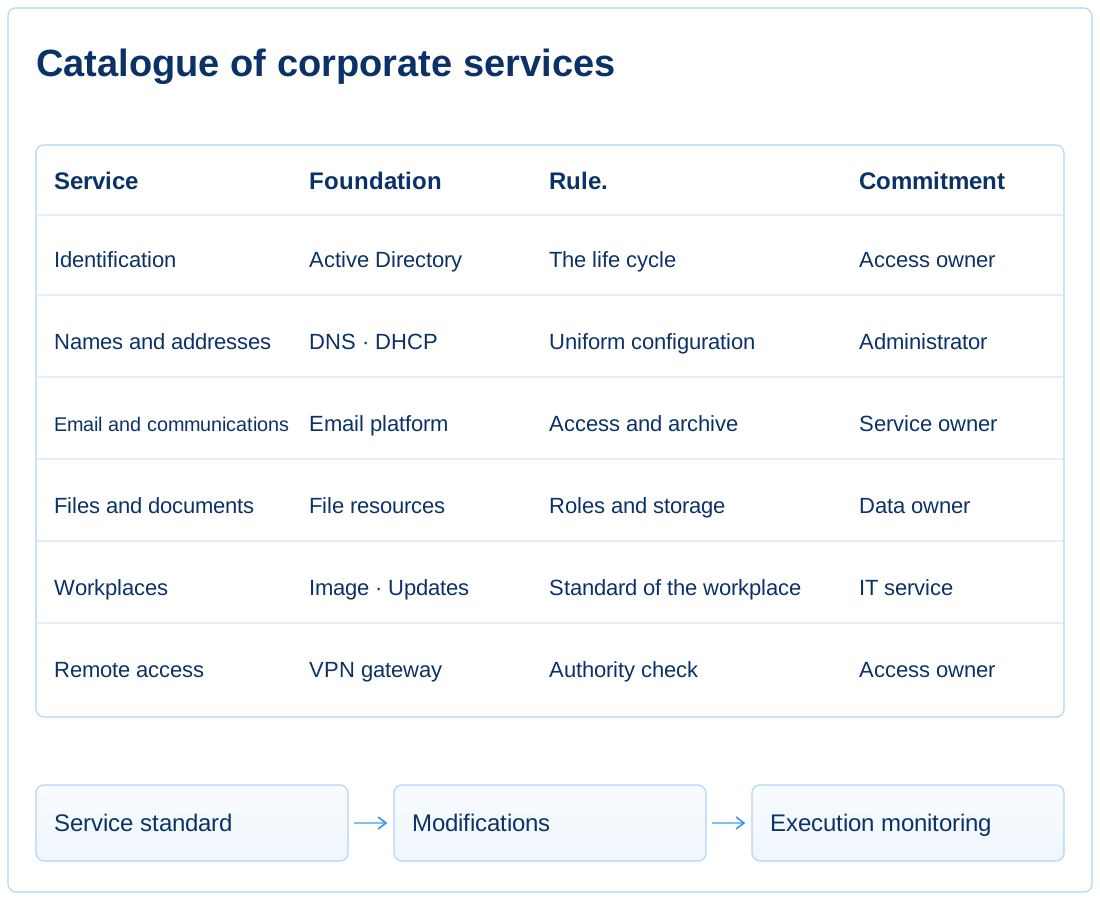
Active Directory, DNS, DHCP, enterprise email, file services, workstations, access and support rules.
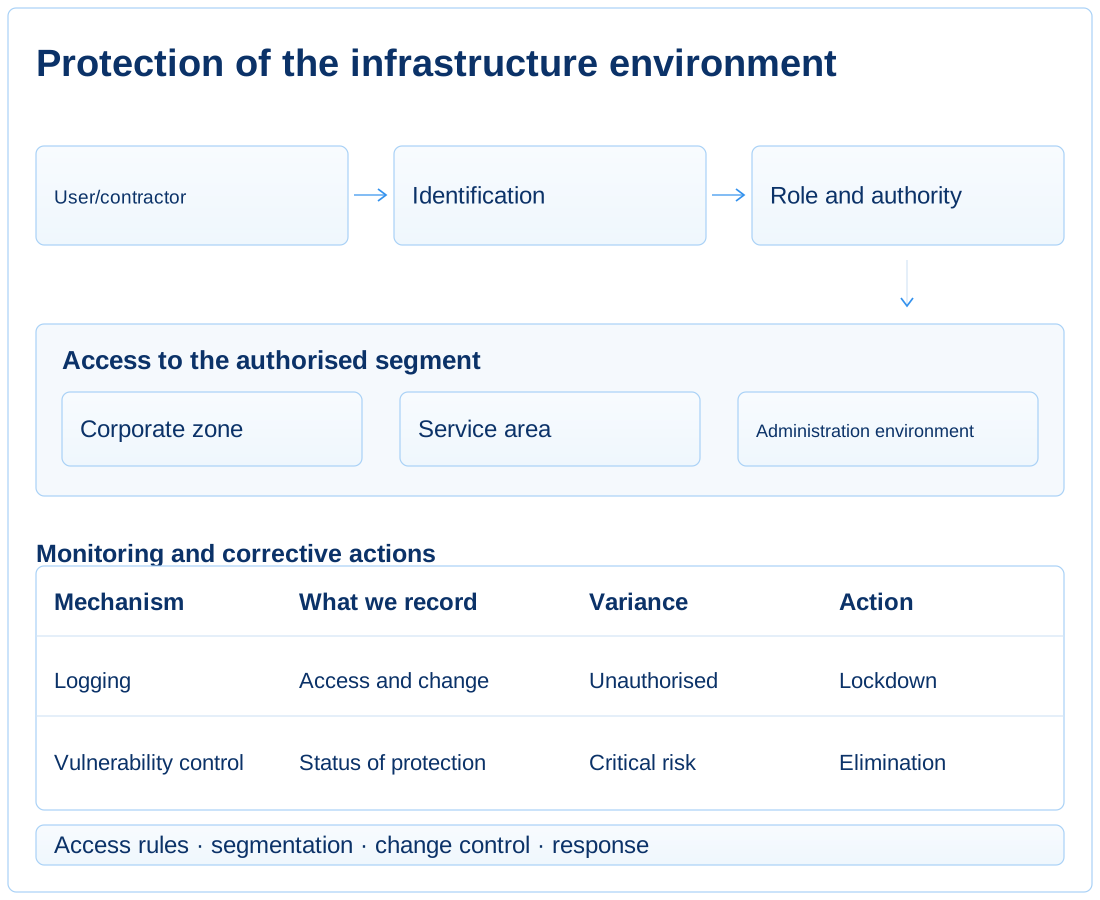
Role-based access, least privilege, segmentation, logging, change control, contractor access and privilege reviews.
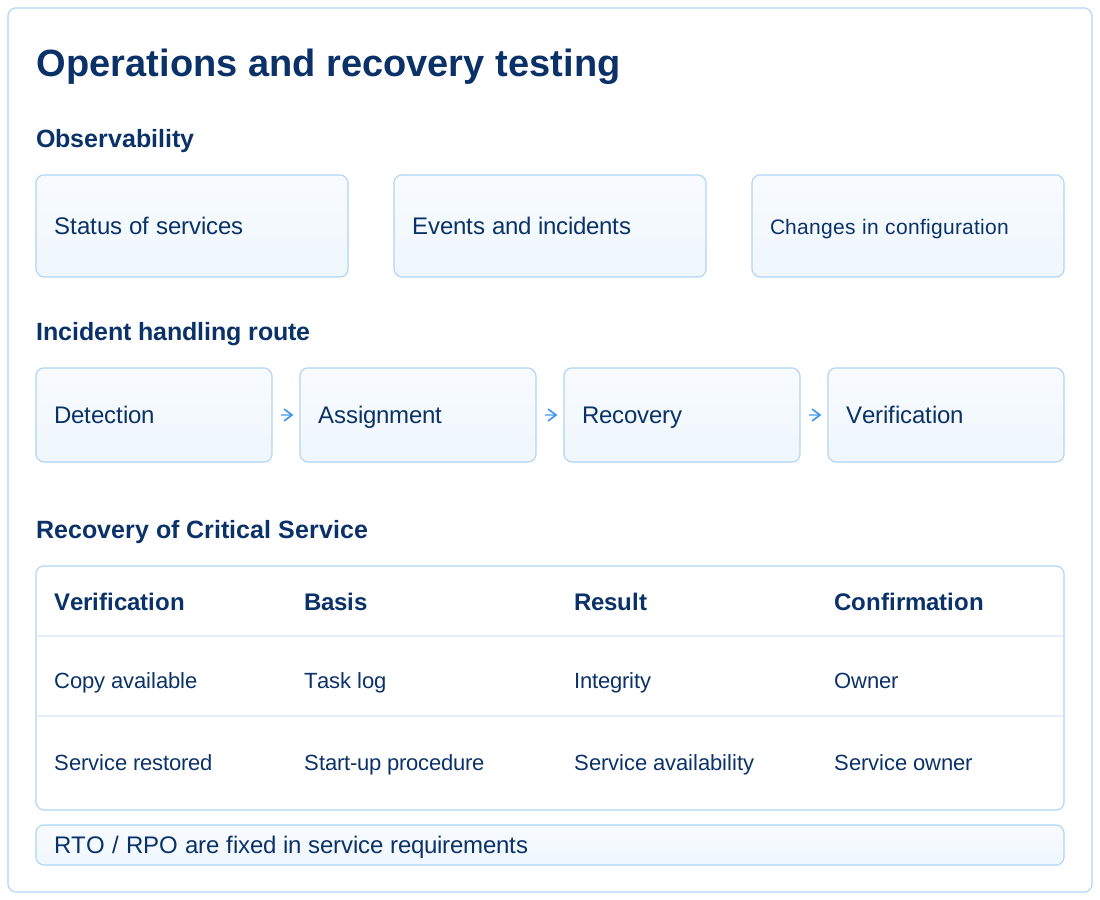
Monitoring, Service Desk, incidents, changes, documentation, response procedures and tested recovery scenarios.
The result is a managed environment that supports business systems, enterprise services, data and digital processes, with the infrastructure components working together.
Infrastructure consists of disconnected servers, services, connectivity, access permissions and settings.
The target architecture, classes of services, dependencies, role of components and rules of development are described.
For each critical service, it is clear which components it works on and who is responsible for its support.
Virtualisation or the server environment serves as a technical hosting platform without shared workload classes.
Computing, storage, networking, redundancy, monitoring and maintenance are combined into a managed platform.
New systems are hosted under defined rules rather than separate decisions for each project.
The domain, DNS, email, files, access and workplace services are maintained under inherited rules.
Core infrastructure services have a target architecture, owners, operating procedures and change control.
Active Directory, DNS, enterprise email, file services and access follow a shared support model.
The rights, segmentation, logs and access of contractors are controlled piecemeal.
Access is tied to roles, networks are segmented, significant actions are logged and changes are controlled.
An access review verifies role alignment and controls over privileged actions.
The status of services, configurations, and reaction order depend on the individual specialists.
Monitoring, Service Desk, documentation, incidents, changes and recovery form one operational process.
The team can maintain and restore services without relying on one engineer’s informal knowledge.
This practice is needed when infrastructure limits growth, digitalisation, security or reliable business system operation.